
Build Your German Restaurant Website
From beer halls to fine German dining, our AI creates warm websites that celebrate German culinary traditions.
German Restaurant Website Examples

AI-designed for German restaurants
Understanding German Cuisine
History & Origins
German cuisine is a rich tapestry woven from centuries of regional independence, harsh winters requiring distinct preservation methods, and a central European location that invited influence from neighbors. Historically, the cuisine was defined by its reliance on local agriculture, specifically root vegetables like turnips and eventually the potato, which revolutionized the German diet in the 18th century. The nobility developed a taste for game and complex roasts, while the peasantry perfected the arts of curing meats, pickling vegetables (most famously sauerkraut), and baking hearty, rye-based breads to survive long winters. In the 19th century, waves of German immigration to the United States brought these traditions across the Atlantic, fundamentally shaping American food culture. While often simplified abroad to just sausages and beer, authentic German culinary history is deeply tied to the guild system, which established rigorous standards for bakers, brewers, and butchers. This legacy of craftsmanship remains today, where the specific preparation of a bratwurst or the fermentation of a lager is treated with strict adherence to historical purity laws and regional pride.
Regional Styles
Germany's culinary map is surprisingly diverse. To the south in Bavaria and Swabia, the cuisine is hearty and flour-based, famous for Spätzle (egg noodles), Knödel (dumplings), and massive pork knuckles like Schweinshaxe. This is the 'classic' German food most international diners recognize. Moving north towards Hamburg and the coast, the menu shifts dramatically to focus on herring, eel, and plaice, often paired with potatoes and distinct sweet-and-sour flavor profiles. The Rhineland offers its own distinct style, famous for Sauerbraten (marinated pot roast) traditionally sweetened with raisins and thickened with gingerbread. In the east, influences from Slavic neighbors are evident in dishes like Soljanka (a sour soup) and various stuffed cabbage preparations. Unlike the monolithic view of 'German food,' regional distinctions are fierce, with a sausage from Thuringia being considered completely distinct from one made in Nuremberg.
Signature Techniques
The soul of German cooking lies in patience and preservation. 'Schmoren' (braising) is a cornerstone technique, transforming tough cuts of meat into tender delicacies like Rouladen through long, slow cooking in flavorful liquids. Fermentation goes far beyond sauerkraut; it is essential for sourdough breads and the preservation of seasonal vegetables. Additionally, smoking (Räuchern) is executed with masterful precision, particularly for Black Forest hams and various sausages, using specific woods like beech or juniper to impart regional flavor signatures.
Dining Culture
Central to German dining is the concept of 'Gemütlichkeit'—a word with no direct English translation that encompasses coziness, belonging, and a relaxed state of mind. Dining is rarely a rushed affair; it is a social event often centered around a 'Stammtisch' (regulars' table). Whether in a loud, communal beer hall or a quiet 'Gasthaus,' the atmosphere is warm and unpretentious. The tradition of 'Kaffee und Kuchen' (coffee and cake) in the mid-afternoon highlights a cultural appreciation for taking a pause to enjoy sweets and conversation.
Our AI understands German cuisine
Seasonal Menu Toggles
Easily switch your website focus from 'Asparagus Season' (Spargelzeit) to 'Oktoberfest' or 'Christmas Market' layouts without rebuilding the site.
Draft List Showcase
A dedicated text-based section to quickly update rotating tap handles and seasonal lagers without needing new graphic design work.
Heritage Storytelling Block
A focused layout designed to explain the history of your family recipes or the specific German region your cuisine originates from.
Visual Glossary Capability
Allows you to pair complex German names (like 'Maultaschen') with photos and descriptions so customers understand exactly what they are ordering.
Nutritional & Allergen Context
Simple text fields to clearly mark gluten-free options or vegetarian alternatives in a traditionally meat-heavy cuisine.
Biergarten Gallery
A specialized photo grid designed to showcase your outdoor seating atmosphere, critical for attracting summer crowds.
AI That Understands German Menus
Our AI automatically recognizes and organizes traditional german menu categories.
Brotzeit
Traditional cold snacks including pretzels, Obatzda cheese spread, and radish plates.
Aus dem Suppentopf
Hearty soups like Linsensuppe (Lentil) or Kartoffelsuppe (Potato).
Vom Grill & Pfanne
Grilled sausages and pan-fried specialties like Frikadellen.
Wildgerichte
Seasonal game dishes such as venison (Hirsch) or boar (Wildschwein).
Süße Sachen
Desserts including Apfelstrudel, Kaiserschmarrn, and Black Forest Cake.
Biere vom Fass
Draft beer selection organized by style (Pilsner, Helles, Weizen, Dunkel).
Upload your menu photos and watch the magic happen
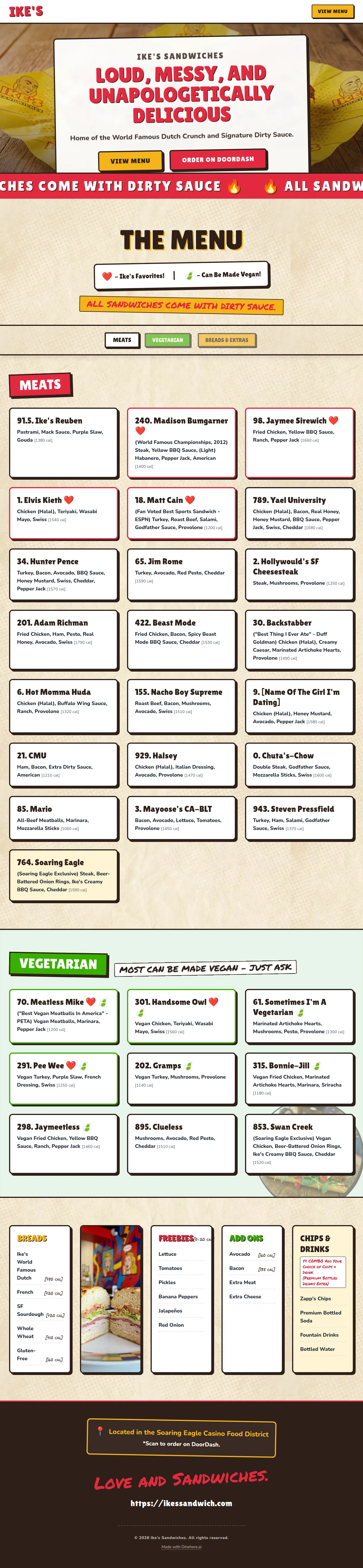
Try It FreeA real restaurant website built with Dinehere
Built from a few menu photos — this is a live site. Take a look.
Tips for German Restaurant Owners
Embrace the Seasonality
German cuisine is strictly seasonal. Update your website header or About section to mention 'Spargelzeit' (asparagus season) in spring or 'Pfifferlinge' (chanterelles) in late summer to signal freshness to foodies.
Translate the Experience, Not Just Words
Don't just list 'Schweinshaxe.' Describe it as 'Crispy roasted pork knuckle with crackling.' Use the description fields in Dinehere to make foreign terms sound accessible and delicious to the uninitiated.
Highlight the Beer Serving Temperature
If you serve beer at the proper cellar temperature rather than ice cold, mention this on your site. Authentic touches like this build trust with connoisseurs looking for a real German experience.
Showcase the Portion Sizes
German food is known for value. Use photos that show the scale of the plate. If your Schnitzel hangs off the edge of the plate, that image alone is your best marketing tool.
Clarify 'Seat Yourself' vs. Hosted
German beer halls often have open seating which confuses Americans. Use your 'About' or 'Info' section to explain your seating policy so guests feel confident walking in.
Challenges German Restaurants Face Online
The 'Heavy Food' Stigma
Why it matters: Health-conscious diners often skip German restaurants fearing greasy food, limiting your customer base.
How we help: Dinehere's clean, modern design allows you to highlight lighter options like salads or seafood, and use high-quality imagery to show fresh ingredients, combating the 'greasy spoon' stereotype.
Unsearchable Menu Items
Why it matters: Customers can't spell 'Königsberger Klopse.' If your menu is a PDF image, Google can't read the text, so you don't show up in searches for specific dishes.
How we help: Dinehere parses your menu into digital text. This means when someone searches for 'German meatballs' or specific ingredients, Google can read your menu and rank your site.
Looking Outdated
Why it matters: Many German restaurants rely on 'Old World' decor, but an old-fashioned website makes customers worry the food handling standards are also outdated.
How we help: We provide a sleek, mobile-responsive interface that bridges the gap—honoring your traditional decor while proving you are a modern, professional business.
Three Simple Steps
Upload Your Menu
Take photos of your german menu or upload existing images. Our AI reads any format.
AI Creates Your Site
Watch as our AI designs a beautiful website tailored to german cuisine aesthetics.
Go Live Instantly
Preview, make edits if needed, and publish. Your restaurant is now online.
One Price, Everything Included
or $390/year — 2 months free
No contracts, no setup fees. Cancel anytime. Just a beautiful website for your german restaurant.
- AI-powered website generation
- Mobile-responsive design
- Custom subdomain (yourname.dinehere.ai)
- Menu parsing from photos
- SEO optimized
- Hosting included
- SSL certificate included
Common Questions About German Restaurant Websites
Yes. Dinehere offers a simple text editor. You can type in your new seasonal Bocks or Hefeweizens in seconds and hit publish, ensuring your beer list is always accurate for enthusiasts.
Our system ensures your menu text is readable by Google. Even if a customer searches for 'German pork knuckle' instead of 'Schweinshaxe,' the search engines will be able to connect the keywords on your menu to their search.
We keep the design clean and neutral so your photos do the talking. Whether your interior is a rustic timber-framed hall or a modern bistro, the website provides a professional frame that doesn't clash with your brand.
Absolutely. You can upload or input distinct sections for your Mittagstisch (lunch specials) versus your full evening dinner menu, helping manage customer expectations.
German food is delicious but can be hard to photograph. Dinehere's layout allows for high-quality hero images where you can use good lighting and garnishes to make the dishes look appetizing rather than heavy.
Yes. Our designs use large, legible typography and clear navigation. This is crucial for older demographics who often frequent traditional German establishments and need to easily find your address and hours.
You can update your opening hours instantly. This is vital for German restaurants that often have special hours for Christmas Eve (Heiligabend) or New Year's.
You can use a custom domain you already own, or we can host you on a simple subdomain. We handle the technical hosting connection so you don't have to mess with DNS settings.
Best Cities for German Restaurants
Related Cuisines You Might Like
Ready to Build Your German Restaurant Website?
Join other german restaurant owners who built their websites with Dinehere.
Build My German Restaurant Site