
Build Your Thai Restaurant Website
From street food to royal Thai cuisine, our AI creates beautiful websites that capture Thai culinary traditions.
Thai Restaurant Website Examples

AI-designed for Thai restaurants
Understanding Thai Cuisine
History & Origins
Thai cuisine is a sophisticated interplay of five fundamental flavors: hot (spicy), sour, sweet, salty, and bitter. Historically, what we know as Thai food today is a tapestry woven from centuries of migration and trade. Early influences came from China, bringing noodles and steel woks, while trade with India and Portugal introduced dried spices and chilies, which revolutionized the local palate. For centuries, the cuisine was divided into Royal Thai cuisine, characterized by elaborate presentation and balanced, mild flavors, and the rustic, fiery dishes of the villagers. In the modern era, particularly within the United States, Thai cuisine has seen a meteoric rise, partly due to the Thai government's 'Global Thai' diplomacy initiative launched in the early 2000s to promote culture through food. This has transformed Thai food from a niche exotic option into a dining staple in Western culture. Today, the cuisine is evolving beyond the standard Pad Thai, with a growing appreciation for regional specificity, street food culture, and traditional fermentation techniques.
Regional Styles
Thailand's culinary landscape is distinctly divided into four main regions. Northern (Lanna) cuisine is milder, influenced by Burma, featuring sticky rice, rich curries like Khao Soi, and practically no coconut milk in their soups. Northeastern (Isan) food is fiery, salty, and heavily reliant on fermented fish sauce (pla ra), sticky rice, and salads like Som Tum and Larb. Central cuisine, centered around Bangkok, offers the classic balance of flavors and includes the most famous dishes like Green Curry and Tom Yum, often using coconut milk. Southern Thai food is the spiciest, utilizing heavy turmeric and fresh seafood, resulting in intense yellow curries and dry-fried meat dishes.
Signature Techniques
The heart of a Thai kitchen is the mortar and pestle, used to pound aromatic pastes rather than chopping them, which releases essential oils from lemongrass, galangal, and chilies more effectively. 'Wok Hei' (breath of the wok) is crucial for stir-fries, imparting a smoky flavor that high-heat searing provides. Balancing flavors (Yum) is another critical technique; chefs must taste and adjust dishes constantly to ensure the lime, fish sauce, palm sugar, and chili are in perfect harmony. Intricate fruit and vegetable carving remains a signature presentation method for upscale establishments.
Dining Culture
Thai dining is communal and social, traditionally centered around a 'Sumrub'—a set of dishes shared by everyone at the table rather than individual entrees. Rice is the respected centerpiece of the meal, with other dishes serving as accompaniments. In a proper Thai setting, diners use a fork and spoon (the fork pushes food onto the spoon, which enters the mouth); chopsticks are typically reserved only for noodle dishes. The concept of 'Sanuk' (fun and enjoyment) permeates the dining experience, making hospitality warm, casual, and inclusive.
Our AI understands Thai cuisine
Dietary Flexibility Showcase
Thai cuisine is naturally adaptable; our menus highlight how easily dishes can be made vegan (no fish sauce) or gluten-free, attracting dietary-conscious diners.
Bilingual Menu Support
Display dish names in both English and Thai script to build authenticity and help heritage customers navigate your offerings.
Visual Ingredient Glossary
Space to explain unique ingredients like Galangal, Kaffir Lime, or Thai Basil, educating customers and enticing them to try new things.
Lunch Special Highlight
A dedicated section for lunch combos, which are a major revenue driver for US-based Thai restaurants, making them easy to find on mobile.
Catering & Tray Menu
A simplified layout to display party trays and bulk ordering options, essential for office lunches and events.
AI That Understands Thai Menus
Our AI automatically recognizes and organizes traditional thai menu categories.
Khong Wang (Appetizers)
Small bites and finger foods designed to stimulate the appetite.
Tom & Gaeng (Soups & Curries)
Rich coconut-based curries and clear, sour soups.
Yum (Thai Salads)
Spicy, sour, and herb-heavy salads, often with glass noodles or minced meat.
Aharn Jan Diew (One Plate Dishes)
Individual servings of stir-fried noodles or rice dishes.
Khong Wan (Desserts)
Sweet treats often featuring coconut milk, palm sugar, and fruits.
Upload your menu photos and watch the magic happen
Try It FreeA real restaurant website built with Dinehere
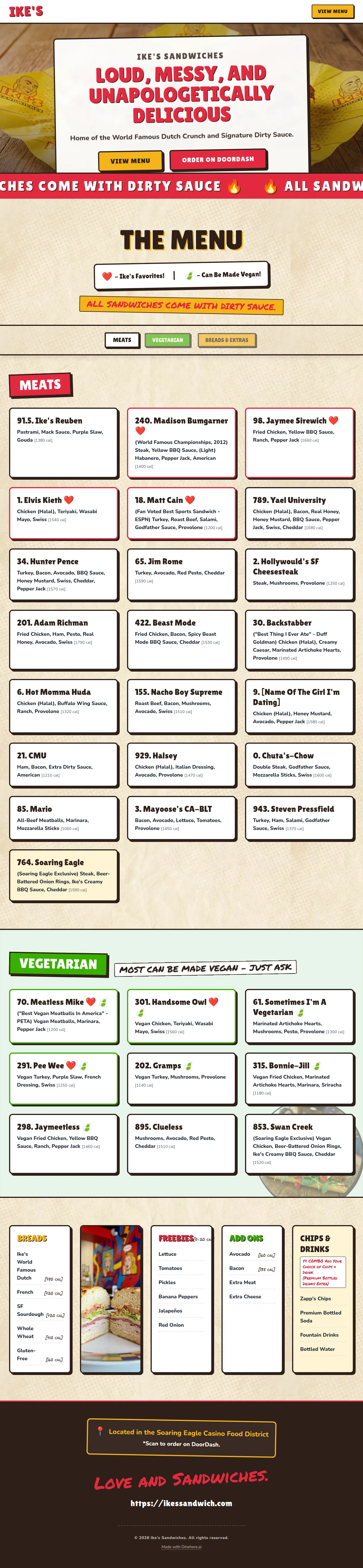
Built from a few menu photos — this is a live site. Take a look.
Tips for Thai Restaurant Owners
Educate on Regionality
Don't just list 'Curry.' Use your website's 'About' section to explain that your recipes come from Isan or the South. Customers love a backstory and it justifies premium pricing.
Clarify the 'Vegetarian' Options
Many Westerners assume Thai vegetable dishes are vegetarian, unaware of fish sauce. Explicitly mentioning 'Vegan Sauce Available' on your digital menu can capture a huge, loyal demographic.
Highlight Fresh Herbs
Thai food relies on freshness. Mention your use of fresh Holy Basil, Kaffir Lime leaves, or Galangal in dish descriptions to differentiate yourself from competitors using dried spices.
Suggest Pairings
In your menu descriptions, suggest pairing spicy salads with sticky rice or Thai Iced Tea to cool the heat. This guides the customer experience and increases check size.
Showcase the Chef's Specialty
Americans often order the same three dishes. Use your website to feature a 'Chef's Recommendation' that isn't Pad Thai, encouraging regulars to explore your more authentic, higher-margin items.
Challenges Thai Restaurants Face Online
The 'Pad Thai' Stereotype
Why it matters: Customers often ignore the rest of the menu, missing out on your best authentic dishes and high-margin specialties.
How we help: Dinehere allows you to reorganize your menu to place 'Chef's Specialties' or 'Regional Favorites' at the top, ensuring they are seen before the standard noodle section.
Mobile Menu Overload
Why it matters: Thai menus are long. On a phone, scrolling through 150 items on a PDF or a bad website frustrates users, leading them to bounce.
How we help: Our responsive design collapses categories (e.g., Starters, Soups, Curries) so customers can navigate quickly to what they want without endless scrolling.
Inaccurate Third-Party Menus
Why it matters: Delivery apps often have outdated prices or missing descriptions, leading to angry customers and disputes.
How we help: A Dinehere site gives you a 'source of truth' URL. You control the content, prices, and descriptions 100%, so customers always have the correct information.
Three Simple Steps
Upload Your Menu
Take photos of your thai menu or upload existing images. Our AI reads any format.
AI Creates Your Site
Watch as our AI designs a beautiful website tailored to thai cuisine aesthetics.
Go Live Instantly
Preview, make edits if needed, and publish. Your restaurant is now online.
One Price, Everything Included
or $390/year — 2 months free
No contracts, no setup fees. Cancel anytime. Just a beautiful website for your thai restaurant.
- AI-powered website generation
- Mobile-responsive design
- Custom subdomain (yourname.dinehere.ai)
- Menu parsing from photos
- SEO optimized
- Hosting included
- SSL certificate included
Common Questions About Thai Restaurant Websites
Yes. Thai menus are famously extensive. Dinehere's simple layout categorizes these effectively so customers don't feel overwhelmed on their phones, unlike PDF menus which are hard to read.
Absolutely. The 'About' section and menu descriptions are perfect places to highlight your commitment to fresh ingredients and ability to substitute fish sauce for vegan options.
That works perfectly. You don't need a photo for every single item. We can highlight your signature dishes like Pad Thai and Green Curry with photos, while listing standard items in text.
Yes, we can structure the menu to clearly show lunch specials separately from dinner entrees, preventing customer confusion about pricing.
We can add descriptive text or specific warnings in your menu headers to manage expectations, ensuring customers know your spice scale is authentic.
Yes. Dinehere websites are optimized for search engines. When locals search for 'Thai food near me' or 'Best Pad See Ew', having a text-based website (not just a Facebook page) significantly improves your chances of appearing.
Not at all. You can update your text menu quickly without needing a designer. This is perfect for rotating regional specials or seasonal fruit dishes like Mango Sticky Rice.
No, it complements them. Dinehere gives you a professional 'home base' where you don't pay commissions just for people to look at your menu and address.
Best Cities for Thai Restaurants
Related Cuisines You Might Like
Explore Other Cuisines
Ready to Build Your Thai Restaurant Website?
Join other thai restaurant owners who built their websites with Dinehere.
Build My Thai Restaurant Site