
Build Your Mexican Restaurant Website
From taquerias to upscale Mexican cuisine, our AI creates authentic websites that celebrate your flavors.
Mexican Restaurant Website Examples

AI-designed for Mexican restaurants
Understanding Mexican Cuisine
History & Origins
Mexican cuisine is a UNESCO Intangible Cultural Heritage treasure, rooted in thousands of years of Mesoamerican history. Its foundation dates back to the Mayan and Aztec civilizations, which domesticated corn (maize) and developed the critical process of nixtamalization to unlock its nutritional value. This pre-Hispanic base was later enriched by Spanish colonization in the 16th century, which introduced livestock (pork, beef, chicken), dairy products, garlic, and onions, creating a complex fusion that varies wildly by region.
Regional Styles
The culinary landscape of Mexico is incredibly diverse. In the North (Norteño), flour tortillas and grilled beef dominate due to the ranching culture. The Oaxaca and Puebla regions are famous for their complex Moles—rich sauces made from dozens of ingredients including chocolate and chili peppers. The Yucatán Peninsula features distinctive Mayan influences with achiote and sour orange marinades (Cochinita Pibil), while the coastal regions of Veracruz and Baja California focus on seafood, offering styles ranging from Huachinango a la Veracruzana to modern fish tacos.
Signature Techniques
Authentic Mexican cooking relies on labor-intensive techniques that define its flavor profile. Nixtamalization (soaking corn in lime water) is essential for masa production. Roasting ingredients on a 'comal' (flat griddle) brings out sweetness and char in tomatoes and chilies for salsas. The use of a 'molcajete' (volcanic stone mortar) for grinding spices and salsas creates textures blenders cannot replicate. Slow-cooking meats, either in pits (barbacoa) or on vertical spits (al pastor), remains a hallmark of traditional preparation.
Dining Culture
Dining in Mexican culture is inherently communal and celebratory. Meals are often family-style, with large platters (parrilladas) or pots of stew meant for sharing. The concept of 'sobremesa'—lingering at the table long after the meal has finished to talk and digest—is crucial. Street food culture is also vital, where taco stands serve as community hubs. Whether in a fonda or a fine dining establishment, the meal is almost always accompanied by a variety of salsas, limes, and tortillas, allowing diners to customize each bite.
Our AI understands Mexican cuisine
Protein & Modifier Clarity
Easily display the complex choices often found in Mexican cuisine, allowing customers to clearly see protein options (asada, pastor, lengua) available for each dish type.
Bilingual Description Support
Structure your menu to present authentic Spanish dish names alongside English descriptions without clutter, educating customers while maintaining authenticity.
Visual Salsa Guides
Use high-quality imagery to distinguish between your salsa verde, roja, and habanero, helping customers gauge spice levels visually before they visit.
Heritage Storytelling Section
A dedicated space to share your family's migration story or the regional origins of your recipes, connecting customers to the chef's background.
Weekend Special Highlighting
Prominently feature time-specific items like Menudo or Pozole that are only available on Saturdays and Sundays to drive weekend foot traffic.
Catering Info Display
Simple, static information sections to let customers know you offer tray services for fiestas and corporate events, encouraging phone inquiries.
AI That Understands Mexican Menus
Our AI automatically recognizes and organizes traditional mexican menu categories.
Del Mar (Seafood)
Coastal specialties featuring fresh catches prepared with citrus and spices.
Especialidades de la Casa
Chef's signature dishes and family recipes.
Desayuno Tradicional
Hearty Mexican breakfast items.
Parrilladas y Molcajetes
Large, sharing-style grilled platters.
Bebidas Tipicas
Traditional non-alcoholic beverages.
Salsas y Guarniciones
Sides, extras, and spice options.
Upload your menu photos and watch the magic happen
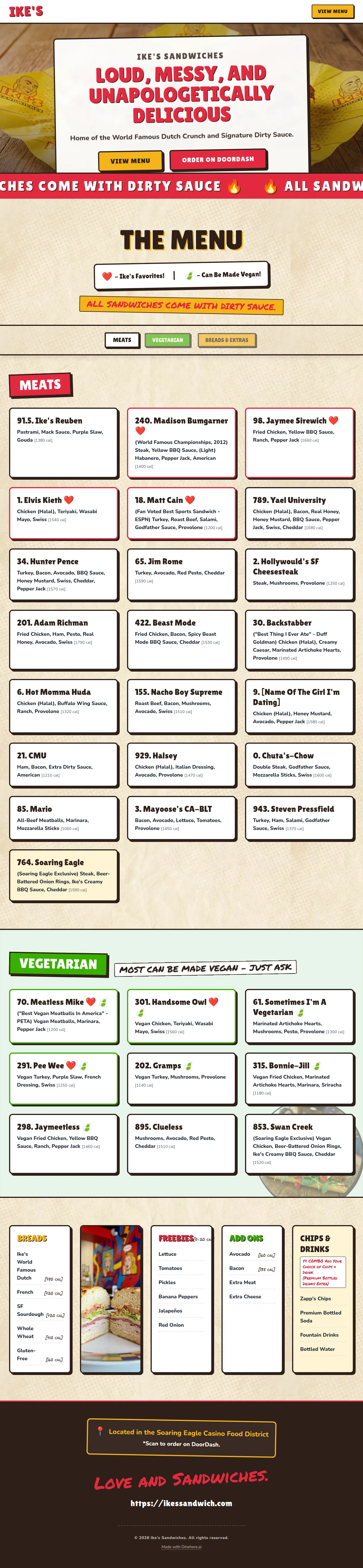
Try It FreeA real restaurant website built with Dinehere
Built from a few menu photos — this is a live site. Take a look.
Tips for Mexican Restaurant Owners
Highlight the 'Hecho a Mano'
If you make tortillas by hand, put this front and center on your website. It is the single biggest indicator of quality in Mexican cuisine and a huge draw for customers.
Explain the Regionality
Don't just say 'Mexican Food.' Specify if you are serving Oaxacan, Sonoran, or Michoacán style. Customers are increasingly educated and look for specific regional flavors.
Photograph the Texture
Take close-up photos of the steam rising off Menudo or the crisp char on the Carne Asada. Mexican food is textual; show the crunch and the heat.
List Your Tequilas and Mezcals
If you serve alcohol, list your agave spirits by brand and type (Reposado, Añejo). Enthusiasts will visit specifically because they see you carry a hard-to-find Mezcal.
Translate Ingredients, Not Just Titles
Keep the dish name in Spanish (e.g., 'Tlacoyos') but clearly explain the ingredients in English. This reduces anxiety for non-Spanish speakers and encourages them to try new things.
Challenges Mexican Restaurants Face Online
The 'PDF Menu' Problem
Why it matters: Many Mexican restaurants upload a photo or PDF of their printed menu. On a phone, this requires pinching and zooming, making it frustrating to read the taco fillings or prices.
How we help: Dinehere converts your menu into a mobile-responsive digital format. Customers can easily scroll through taco options and prices on any device without squinting.
Conveying Authenticity Online
Why it matters: It's hard to distinguish an authentic family spot from a Tex-Mex chain on a generic listing site. Without a dedicated website, you lose the chance to tell your story.
How we help: Our simple 'About' and gallery sections allow you to showcase your family history, your kitchen process, and the specific region your food comes from, establishing credibility instantly.
Language Barriers in SEO
Why it matters: Customers might search for 'Cow tongue tacos' while your menu says 'Lengua'. If your website isn't optimized, you miss those English-language searches.
How we help: Dinehere allows for descriptive text that bridges the gap. You can list 'Tacos de Lengua' with a description including 'Slow-cooked beef tongue,' catching search traffic for both terms.
Three Simple Steps
Upload Your Menu
Take photos of your mexican menu or upload existing images. Our AI reads any format.
AI Creates Your Site
Watch as our AI designs a beautiful website tailored to mexican cuisine aesthetics.
Go Live Instantly
Preview, make edits if needed, and publish. Your restaurant is now online.
One Price, Everything Included
or $390/year — 2 months free
No contracts, no setup fees. Cancel anytime. Just a beautiful website for your mexican restaurant.
- AI-powered website generation
- Mobile-responsive design
- Custom subdomain (yourname.dinehere.ai)
- Menu parsing from photos
- SEO optimized
- Hosting included
- SSL certificate included
Common Questions About Mexican Restaurant Websites
Not at all. Dinehere allows you to toggle items off or change prices in seconds from your phone, so you never have to explain to a customer why the price is different than what they saw online.
You have plenty of space to describe the 20+ ingredients in your Mole Poblano. Detailed descriptions actually help with SEO and set expectations for customers unfamiliar with the dish.
Yes, we recommend mentioning 'Hecho a Mano' in your 'About' section or as a highlight on your menu. This is a major selling point that distinguishes you from competitors.
No. While good photos help, our system works great with simple, well-lit smartphone photos. Authentic, real photos often perform better than stock photography for Mexican food.
We preserve your original text to ensure culinary accuracy. We recommend listing the item in Spanish (e.g., 'Camarones a la Diabla') and writing the description in English so everyone understands.
Yes, you can create a specific 'Desayuno' or 'Brunch' section and clearly label the serving hours in the section description so customers know when to come for Chilaquiles.
Dinehere sites are optimized for local SEO. By having a text-based menu (instead of a PDF), Google can read 'Birria' and 'Consomé' on your site and match you with hungry searchers.
Everything's included. Your subscription ($39/month, or $390/year with two months free) covers the website, hosting, and a custom subdomain, so there's no separate hosting bill. If you already own a .com you can connect it too. Cancel anytime.
Best Cities for Mexican Restaurants
Related Cuisines You Might Like
Explore Other Cuisines
Ready to Build Your Mexican Restaurant Website?
Join other mexican restaurant owners who built their websites with Dinehere.
Build My Mexican Restaurant Site