
Build Your Italian Restaurant Website
From trattoria to fine dining, our AI creates authentic Italian restaurant websites that showcase your cuisine beautifully.
Italian Restaurant Website Examples

AI-designed for Italian restaurants
Understanding Italian Cuisine
History & Origins
The history of Italian cuisine in the United States is a chronicle of adaptation, resilience, and culinary evolution. It began in earnest during the late 19th and early 20th centuries with the mass migration from Southern Italy. These early immigrants, often lacking the specific ingredients available back home, adapted their traditional recipes to the abundance of meat and industrialized products in America, giving birth to the distinct 'Italian-American' cuisine characterized by Sunday gravy, meatballs, and chicken parmesan. For decades, these red-sauce joints defined the American perception of Italian food. In the late 20th century, a second wave of culinary appreciation occurred, shifting focus toward regional authenticity and imported ingredients. Chefs began distinguishing between the butter-and-polenta traditions of the North and the olive-oil-and-tomato heritage of the South. Today, the landscape includes everything from hyper-regional establishments focusing solely on Roman or Sicilian street food to high-end fine dining that rivals the best of Milan, all grounded in the philosophy of simple ingredients treated with immense respect.
Regional Styles
Italian cuisine is intensely regional, a fact that modern diners increasingly appreciate. Northern Italian cooking (Lombardy, Piedmont, Veneto) is characterized by the use of butter, cream, rice (risotto), and fresh egg pasta. The flavors are richer and often include substantial braised meats and truffles. Central Italy (Tuscany, Umbria, Lazio) is famous for its peasant cooking (cucina povera), utilizing beans, game, wild boar, and the famous Pecorino Romano cheese. Southern Italy (Campania, Sicily, Puglia) relies heavily on olive oil, dried pasta, fresh seafood, tomatoes, and bright citrus flavors, with distinct Arab and Greek influences visible in Sicilian dishes.
Signature Techniques
Authentic Italian cooking relies on mastery of fundamental techniques rather than complex gadgetry. 'Mantecare' is the vital step in risotto and pasta making where starch and fat are emulsified to create a creamy sauce without adding heavy cream. The concept of 'Al Dente'—cooking pasta or rice to be firm to the bite—is strictly adhered to, distinguishing authentic establishments from generic ones. Slow-cooking ragùs, often for hours to break down collagen in meats, and the proper use of the wood-fired oven for pizza and roasting, are signatures of the kitchen.
Dining Culture
In Italian culture, the meal is a social event and a ritual, not merely fuel. The traditional meal structure implies a leisurely pace: starting with Aperitivo (drinks and small bites), moving to Antipasti, then the Primo (pasta/soup), Secondo (meat/fish) accompanied by Contorni (sides), and finishing with Dolce (dessert) and Caffe. While American diners may not always order four courses, the menu structure reflects this journey. 'Stare a tavola'—staying at the table to talk long after the food is gone—is a cherished custom that influences the warm, welcoming atmosphere of Italian restaurants.
Our AI understands Italian cuisine
Family Legacy Section
A dedicated space to share the 'Nonno/Nonna' story or chef's heritage, essential for establishing the authenticity customers crave.
Ingredient Sourcing Highlight
Text formatting that allows you to emphasize DOP/DOC imports like San Marzano tomatoes or Parmigiano Reggiano directly on the menu.
Seasonal Menu Updates
Quickly swap out dishes as seasons change—crucial for Italian cuisine which relies heavily on fresh, seasonal produce.
Dietary Guide Indicators
Clear text markers for Gluten-Free (Senza Glutine) or Vegetarian options, vital for modern pasta-loving diners with restrictions.
Visual Course Separation
Clean design layout that visually separates Primi from Secondi, preventing customer confusion over portion sizes and ordering.
Mobile Wine List View
A simplified, scrollable view of your wine list that is easy to read on phones, encouraging customers to check your selection before arriving.
AI That Understands Italian Menus
Our AI automatically recognizes and organizes traditional italian menu categories.
Contorni
Vegetable side dishes meant to accompany the main course.
Vini e Bevande
Wine list and beverage selection.
Pizze (Rosse e Bianche)
Wood-fired pizzas, separated by red sauce and white base.
Digestivi
After-dinner liqueurs like Limoncello, Amaro, and Grappa.
Pasta Fresca
House-made fresh pasta dishes.
Upload your menu photos and watch the magic happen
Try It FreeA real restaurant website built with Dinehere
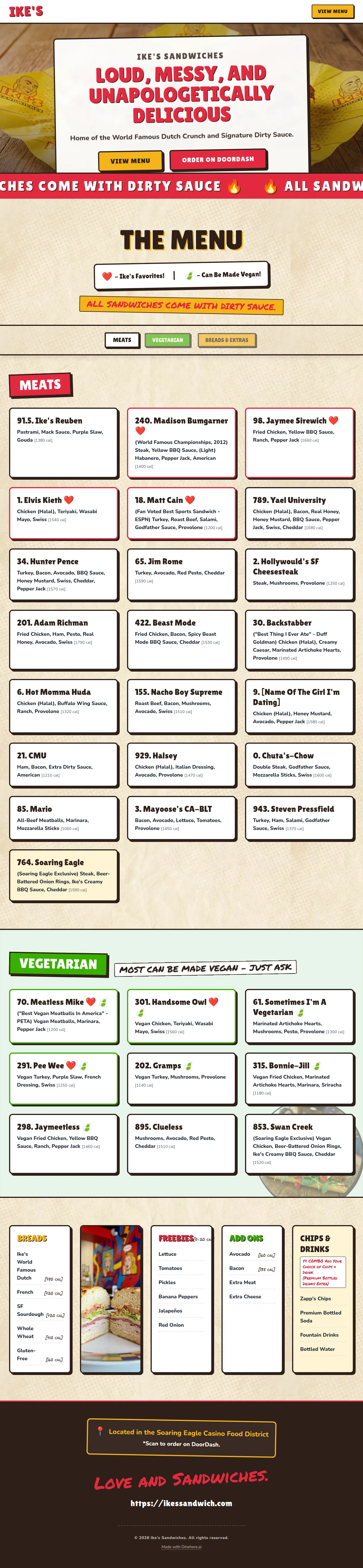
Built from a few menu photos — this is a live site. Take a look.
Tips for Italian Restaurant Owners
Use Italian Terminology with English Descriptions
Keep the authentic headers like 'Primi' and 'Secondi', but add a small English subtitle. This educates the customer and signals authenticity while ensuring everyone understands how to order.
Highlight Imported Ingredients
If you use San Marzano tomatoes or Prosciutto di Parma, state it on your digital menu. These are high-value keywords that foodies search for and justify your pricing.
Showcase the 'Fatto a Mano'
Use your 'About' section to mention anything made by hand, specifically pasta, bread, or mozzarella. In a world of frozen food, 'Handmade' is your strongest marketing tool.
Clarify the Regional Focus
Don't just say 'Italian Food.' Specify 'Sicilian Cuisine' or 'Tuscan Steakhouse.' Specificity attracts diners looking for a particular experience and helps you rank for niche search terms.
Keep Hours Up to Date for Holidays
Italian families celebrate holidays seriously. Ensure your website clearly states if you are open on Christmas Eve or Easter, as these are high-volume search days for family dining.
Challenges Italian Restaurants Face Online
Menu Structure Confusion
Why it matters: Generic website templates often force a simple Appetizer/Entree structure, which ruins the flow of a traditional Antipasti/Primi/Secondi/Contorni Italian menu.
How we help: Dinehere's menu parser handles complex sectioning naturally, allowing you to present the full Italian multi-course structure exactly as it appears on your physical menu.
Reliance on PDF Menus
Why it matters: Many Italian restaurants simply upload a PDF. These are impossible to read on mobile phones, causing potential customers to get frustrated and leave the site.
How we help: We convert your menu photos or files into a mobile-responsive web page. Customers can read your wine list and pasta options clearly on their phone without pinching and zooming.
Lack of Visual Authenticity
Why it matters: Stock photos of pizza and checkered tablecloths can make an authentic trattoria look like a cheap tourist trap.
How we help: Our simple design puts your actual food and your story front and center. By using your own images and text, the site reflects the genuine character of your establishment, not a generic template.
Three Simple Steps
Upload Your Menu
Take photos of your italian menu or upload existing images. Our AI reads any format.
AI Creates Your Site
Watch as our AI designs a beautiful website tailored to italian cuisine aesthetics.
Go Live Instantly
Preview, make edits if needed, and publish. Your restaurant is now online.
One Price, Everything Included
or $390/year — 2 months free
No contracts, no setup fees. Cancel anytime. Just a beautiful website for your italian restaurant.
- AI-powered website generation
- Mobile-responsive design
- Custom subdomain (yourname.dinehere.ai)
- Menu parsing from photos
- SEO optimized
- Hosting included
- SSL certificate included
Common Questions About Italian Restaurant Websites
Yes. Dinehere creates a digital menu that is easy to update. Since we don't use complex inventory syncing, you can simply upload a new photo or text list whenever your seasonal specials change.
Absolutely. Our system supports all standard characters, ensuring that words like 'Ragù', 'Tropea', and 'Bolognese' are displayed correctly with the proper accents.
No. While photos help, many authentic Italian trattorias prefer a text-based menu to look more traditional. You can choose to display just your menu text, or highlight only a few signature dishes with photos.
Yes, it is perfect for you. Dinehere does not force online ordering buttons on your site. The goal is to show your location, hours, and menu to entice customers to visit your dining room in person.
Yes. The 'About' section is ideal for storytelling. You can explain that your marinara is a 50-year-old family recipe, which helps build a connection with potential diners.
Dinehere sites are SEO-optimized. This means when tourists search for 'Italian food near me' or 'Authentic Lasagna in [City]', your website has a much better chance of appearing in the search results.
You can clearly state policies like BYOB, cash-only, or reservation rules in the information section of your homepage so customers know exactly what to expect before they arrive.
Yes, it's designed to be affordable for independent owners. Dinehere is a simple subscription ($39/month, or $390/year with two months free), far less than an agency or designer, with hosting included and no hidden maintenance costs. You can cancel anytime.
Yes, the menu parser can organize different sections, so you can clearly label 'Pranzo' (Lunch) and 'Cena' (Dinner) offerings to avoid confusion.
Best Cities for Italian Restaurants
Related Cuisines You Might Like
Explore Other Cuisines
Ready to Build Your Italian Restaurant Website?
Join other italian restaurant owners who built their websites with Dinehere.
Build My Italian Restaurant Site