
Build Your Japanese Restaurant Website
From sushi bars to ramen shops, our AI creates elegant websites that honor Japanese culinary traditions.
Japanese Restaurant Website Examples

AI-designed for Japanese restaurants
Understanding Japanese Cuisine
History & Origins
Japanese cuisine (Washoku) is a centuries-old tradition recognized by UNESCO as an Intangible Cultural Heritage, celebrated for its respect for nature and the changing seasons. Its roots trace back to the prehistoric Jomon period, but it began to take its distinct form during the Heian period with the introduction of fermentation techniques for rice and fish. The distinct separation of ingredients and the lack of heavy spice mixtures evolved during the Edo period, where the natural flavor of the ingredient became paramount, leading to the development of 'fast food' sushi stalls and soba shops in Tokyo. Modern Japanese cuisine is a dichotomy of strict tradition and avid innovation. While Kaiseki dining preserves the aristocratic, multi-course banquet style of Kyoto, the post-war era brought the explosion of Izakaya culture—casual pubs serving small plates meant for sharing. Today, Japanese culinary influence is global, ranging from high-end Omakase counters where chefs dedicate decades to perfecting rice vinegar ratios, to the comforting warmth of regional Ramen shops that serve as the soul food of the working class.
Regional Styles
Japan's geography creates distinct culinary identities. The Kanto region (Tokyo) is known for strong flavors, dark soy sauce, and Nigiri sushi, while the Kansai region (Osaka/Kyoto) prefers lighter, dashi-forward seasoning and pressed Oshizushi. Hokkaido in the north is famous for rich miso ramen, dairy, and cold-water seafood like crab and scallops. Conversely, Okinawa in the south features a diet heavily influenced by pork, sweet potatoes, and bitter melon (goya), distinct from the rest of the archipelago due to its Ryukyu history.
Signature Techniques
The foundation of Japanese cooking is 'Dashi,' a stock typically made from kombu (kelp) and katsuobushi (bonito flakes) that provides the essential Umami flavor. Knife skills (Hocho-do) are revered, with chefs training for years to master specific cuts that affect the texture and taste of sashimi. Other signature methods include 'Agemono' (deep-frying, as seen in light, airy Tempura), 'Yakimono' (grilling over binchotan charcoal), and 'Mushimono' (steaming to preserve nutrients and delicate textures).
Dining Culture
Japanese dining is centered on 'Omotenashi'—a deep-rooted philosophy of hospitality that anticipates a guest's needs before they ask. Meals typically begin with the phrase 'Itadakimasu' (I humbly receive) to show gratitude to the plants, animals, and farmers involved. In Izakaya settings, dining is communal; dishes are shared, and it is customary to pour drinks for others rather than oneself. The presentation is as important as the taste, with tableware chosen specifically to complement the season and the color of the food.
Our AI understands Japanese cuisine
Seasonal Menu Highlights
Easily update your 'Shun' (seasonal) specials to highlight limited-time ingredients like Sakura in spring or Sanma in autumn.
Bilingual Menu Support
Display dish names in Kanji/Hiragana alongside English descriptions to maintain authenticity while ensuring readability.
Visual Storytelling
High-resolution photo galleries to showcase the intricate plating and knife work that defines Japanese culinary aesthetics.
Omakase Explainer
A dedicated section to explain your chef's choice pricing tiers and rules, setting clear expectations for high-end dining.
Ingredient Sourcing
Highlight the provenance of your fish (e.g., Tsukiji/Toyosu market imports) to build trust and justify premium pricing.
Allergen Clarity
Clearly flag common invisible ingredients like dashi (fish stock) or soy (gluten) for international diners.
AI That Understands Japanese Menus
Our AI automatically recognizes and organizes traditional japanese menu categories.
Zensai (Appetizers)
Seasonal small plates to start the meal, such as Ohitashi (steeped vegetables) or Sunomono (vinegared dishes).
Yakimono (Grilled)
Charcoal-grilled specialties including Yakitori skewers, Hamachi Kama (yellowtail collar), and Gindara Miso.
Agemono (Fried)
Crisp, deep-fried dishes like Tempura, Karaage, and Agedashi Tofu.
Donburi (Rice Bowls)
Hearty rice bowls topped with simmered beef (Gyudon), tempura (Tendon), or sashimi (Chirashi).
Otsumami (Drinking Snacks)
Salty, savory bites like Shiokara, Tataki, or Eihire designed to accompany Sake and Beer.
Kanmi (Dessert)
Traditional sweets featuring Mochi, Red Bean (Anko), Matcha, and seasonal fruits.
Upload your menu photos and watch the magic happen
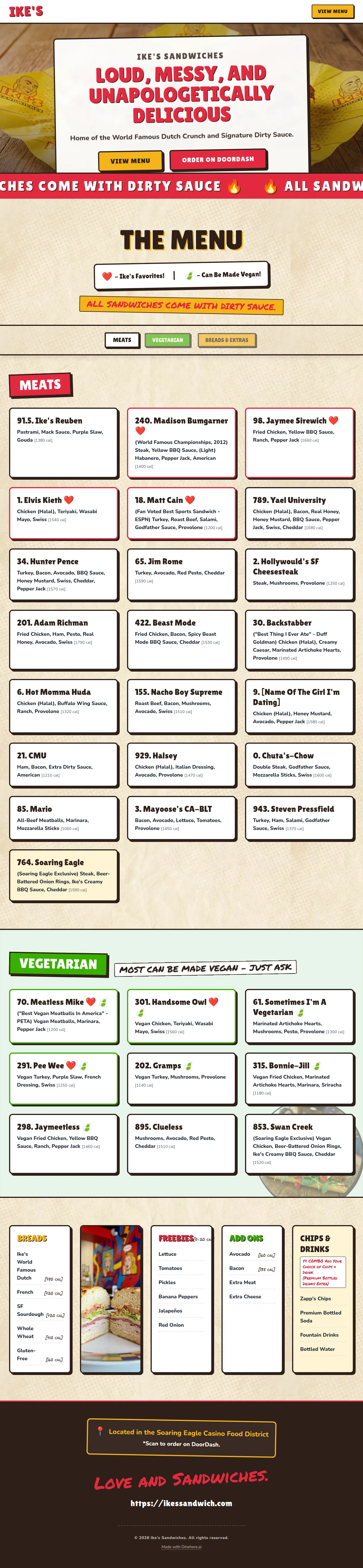
Try It FreeA real restaurant website built with Dinehere
Built from a few menu photos — this is a live site. Take a look.
Tips for Japanese Restaurant Owners
Photograph textures, not just colors
Japanese cuisine relies on texture. When taking photos for your site, get close-ups that show the gloss of the sashmi, the crispness of the tempura batter, or the steam rising from the ramen.
Educate on Omakase rules
Use your 'About' section to explain your Omakase etiquette. Mentioning that soy sauce is already applied by the chef or that perfume should be avoided helps set expectations before the guest arrives.
Highlight specific sake brands
Don't just list 'Sake.' List specific Junmai or Daiginjo brands on your online menu. Enthusiasts search for specific breweries (like Dassai or Kubota) and this helps your site's SEO.
Update for the seasons
Japanese food is defined by seasonality (Shun). Update your website header or menu description quarterly to mention seasonal arrivals like Firefly Squid in spring or Matsutake mushrooms in fall.
Clarify 'Sushi' vs 'Kitchen' food
Many Westerners assume all Japanese restaurants are sushi spots. If you are an Izakaya or Ramen shop, make your cooked dishes prominent on your homepage to attract the right crowd.
Challenges Japanese Restaurants Face Online
The PDF Menu Trap
Why it matters: Japanese menus can be extensive. Uploading a tiny, unreadable PDF of a 4-page menu frustrates mobile users who have to pinch and zoom to read descriptions.
How we help: Dinehere converts your menu into a clean, mobile-responsive format where categories like 'Nigiri' and 'Rolls' are easy to tap and read on any device.
Lack of Visual Context
Why it matters: Menu items like 'Takoyaki' or 'Chawanmushi' are unfamiliar to many potential customers. Without photos or clear descriptions, they won't order them.
How we help: Our platform allows you to easily pair descriptions and photos with menu items, educating your customer and encouraging them to try authentic dishes.
Inconsistent Business Info
Why it matters: Japanese restaurants often have specific lunch break hours (e.g., closed 2:30-5:00 PM). If this isn't clear online, customers show up to a locked door and leave bad reviews.
How we help: We provide a clear, prominent display of your split hours and location, ensuring customers know exactly when you are open for service.
Three Simple Steps
Upload Your Menu
Take photos of your japanese menu or upload existing images. Our AI reads any format.
AI Creates Your Site
Watch as our AI designs a beautiful website tailored to japanese cuisine aesthetics.
Go Live Instantly
Preview, make edits if needed, and publish. Your restaurant is now online.
One Price, Everything Included
or $390/year — 2 months free
No contracts, no setup fees. Cancel anytime. Just a beautiful website for your japanese restaurant.
- AI-powered website generation
- Mobile-responsive design
- Custom subdomain (yourname.dinehere.ai)
- Menu parsing from photos
- SEO optimized
- Hosting included
- SSL certificate included
Common Questions About Japanese Restaurant Websites
Yes, Dinehere supports any character set. You can list the authentic Japanese name (e.g., 'Hamachi Kama') followed by the English description, which adds authenticity and clarity for your customers.
Not at all. You can upload a photo of your printed daily special sheet or quickly edit the text on your phone in seconds, ensuring customers always know what's fresh.
We prioritize visual impact. Our templates are designed to handle high-quality food photography without slowing down the site, making your sashimi and plating look vibrant and appetizing.
Yes, unlike standard delivery apps that limit character counts, our website builder gives you ample space to describe the philosophy and progression of your tasting courses.
Absolutely. While we don't process bookings directly, we provide prominent buttons that link seamlessy to whichever reservation platform you already use.
Yes. We automatically optimize your site for local SEO, helping you rank for specific terms like 'Sushi,' 'Ramen,' or 'Izakaya' in your specific neighborhood.
Yes, you can create distinct sections for Lunch Teishoku sets and Dinner A La Carte to keep the user experience clean and organized.
Significantly. Custom sites can cost thousands upfront. Dinehere offers a professional, mobile-optimized presence for a fraction of the cost with no technical maintenance required.
Best Cities for Japanese Restaurants
Related Cuisines You Might Like
Explore Other Cuisines
Ready to Build Your Japanese Restaurant Website?
Join other japanese restaurant owners who built their websites with Dinehere.
Build My Japanese Restaurant Site