
Build Your Korean Restaurant Website
From Korean BBQ to traditional stews, our AI creates modern websites that showcase Korean flavors.
Korean Restaurant Website Examples

AI-designed for Korean restaurants
Understanding Korean Cuisine
History & Origins
Korean cuisine, or Hansik, has evolved over thousands of years, deeply rooted in the agricultural traditions of the Korean peninsula and the philosophy of balancing the five elements (Eumyangohaeng). Historically, meals were defined by the number of side dishes served alongside rice, a tradition stemming from the Joseon Dynasty's royal court cuisine (Surasang). While ancient techniques relied heavily on preservation to survive harsh winters, these methods birthed the complex fermentation culture seen today in kimchi, ganjang (soy sauce), and doenjang (soybean paste). In the modern era, Korean cuisine has transformed from humble, hearty stews and vegetable-centric meals into a global culinary powerhouse. The explosion of Korean BBQ (Gogi-gui) introduced the world to communal tabletop grilling, while the recent 'Hallyu' (Korean wave) has popularized street foods like tteokbokki and Korean fried chicken. Despite modernization, the core identity remains fastened to the concept of 'bap' (cooked rice) shared communally, emphasizing the collective dining experience over individual plating.
Regional Styles
The Korean peninsula boasts distinct regional flavor profiles shaped by climate and geography. The northern regions, with colder winters, favor less salty and less spicy dishes, famous for their cold buckwheat noodles (Naengmyeon). The southern provinces, particularly Jeolla-do, are considered the flavor capital, known for heavily salted, spicy, and pungent fermented seafood dishes and an abundance of banchan. Coastal cities like Busan feature distinct seafood-heavy stews and raw fish dishes (Hoe), while the island of Jeju offers unique specialties like black pork and abalone porridge utilizing local volcanic soil ingredients.
Signature Techniques
Fermentation is the heartbeat of Korean cooking, requiring months or years of patience to develop deep, umami-rich flavors in sauces and vegetables. Another signature technique is table-top grilling (Gui), where diners cook marinated or unmarinated meats over charcoal or gas fires. Boiling and stewing are also paramount, differentiated by water volume: 'Guk' (soup) has more liquid and is served individually, while 'Jjigae' (stew) is thicker, saltier, and often shared from a central pot. Blanching and seasoning vegetables (Namul) preserves texture while infusing sesame oil and garlic.
Dining Culture
Korean dining is inherently communal and interactive. A typical meal is centered around a main dish shared by everyone, surrounded by individual bowls of rice and soup, and a constellation of shared side dishes (Banchan) that are refilled throughout the meal. The practice of 'Ssam'—wrapping meat, rice, and pastes in leafy vegetables—encourages diners to customize each bite. Hierarchy plays a role in dining etiquette; the eldest diner lifts their spoon first, and younger diners turn away from the table when drinking alcohol in the presence of elders, reflecting deep-rooted Confucian values.
Our AI understands Korean cuisine
Bilingual Menu Optimization
Seamlessly display Hangul characters alongside English descriptions to cater to both traditional Korean elders and English-speaking customers.
Combo Set Visualization
Clearly structure complex 'Set Menus' (Combo A, B, C) common in K-BBQ to show customers exactly which meat cuts and stews are included.
Spice Level Indicators
Visual chili icon systems to help uninitiated customers navigate the heat levels of Jjigae and Tteokbokki dishes.
Ingredient Storytelling
Dedicated sections to highlight premium ingredients like Hanwoo beef, Kurobuta pork, or house-fermented 3-year-old Kimchi.
Group Dining Focus
Layouts that emphasize large tables and communal platters, signaling that your venue is perfect for families and large gatherings.
Seasonal Menu Updates
Quickly swap out seasonal specials, such as cold noodles in summer or oyster soups in winter, without technical headaches.
AI That Understands Korean Menus
Our AI automatically recognizes and organizes traditional korean menu categories.
Gui (Grill)
Marinated and non-marinated meats cooked over charcoal or gas
Jjigae & Tang (Stews)
Boiling hot stews featuring kimchi, soybean paste, or soft tofu
Jeon (Savory Pancakes)
Pan-fried batters containing seafood, kimchi, or green onions
Myeon (Noodles)
Cold buckwheat noodles or spicy wheat noodles
Anju (Drinking Snacks)
Dishes specifically designed to accompany Soju and Beer
Teukseon (Chef's Specials)
Premium dishes like Braised Short Ribs (Galbi-jjim) or Raw Beef (Yukhoe)
Upload your menu photos and watch the magic happen
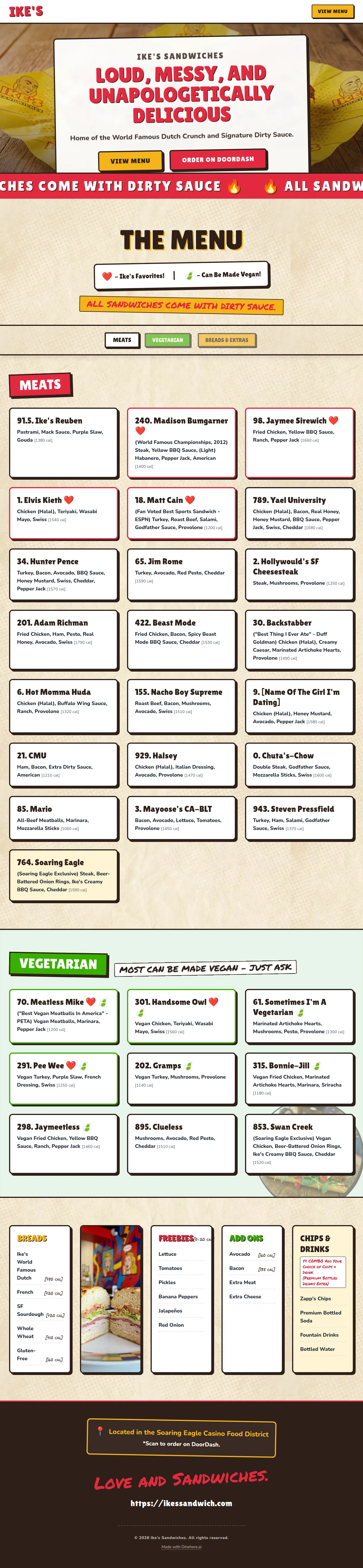
Try It FreeA real restaurant website built with Dinehere
Built from a few menu photos — this is a live site. Take a look.
Tips for Korean Restaurant Owners
Highlight the 'Ssam' Experience
Don't just list meat weights. Describe the experience of wrapping the meat in fresh lettuce with garlic and ssamjang to entice customers who are new to the cuisine.
Clarify Portion Sizes
Korean portions can be confusing to non-Koreans. Use your menu descriptions to clarify if a stew is a 'single serving' or a 'large pot for sharing' to prevent ordering anxiety.
Showcase the Banchan Spread
Use a wide-angle header image showing a full table setting with all the colorful side dishes. This 'abundance' is a key selling point of Korean hospitality.
Tell Your Fermentation Story
If you make your own Kimchi or soybean paste, mention it prominently. 'House-made' and 'fermented for 6 months' are powerful quality indicators.
Use Phonetic Spellings
alongside English names (e.g., 'Bibimbap - Mixed Rice Bowl'). This helps customers feel confident pronouncing orders and reduces friction.
Challenges Korean Restaurants Face Online
Complex Menu Structures
Why it matters: Korean menus often have complex combinations (Combo A/B/C) plus add-ons. PDF menus on mobile phones make this impossible to read, frustrating users.
How we help: Dinehere provides clear, structured formatting that makes complex set menus and combo options easy to read and understand on any smartphone screen.
The 'Generic Asian' Perception
Why it matters: Without a dedicated website, algorithms might lump you in with generic takeout spots, missing the customers specifically looking for tabletop BBQ experiences.
How we help: Our SEO tools help you target specific keywords like 'Korean BBQ,' 'Soju,' and 'Grill,' ensuring you attract the right intent from searchers.
Visualizing the Experience
Why it matters: Text alone doesn't convey the sizzling atmosphere of a Korean restaurant. Potential customers need to see the food to understand the value.
How we help: We make it incredibly easy to upload and display high-quality photos of your grilling tables and colorful banchan spreads to capture the visual appeal instantly.
Three Simple Steps
Upload Your Menu
Take photos of your korean menu or upload existing images. Our AI reads any format.
AI Creates Your Site
Watch as our AI designs a beautiful website tailored to korean cuisine aesthetics.
Go Live Instantly
Preview, make edits if needed, and publish. Your restaurant is now online.
One Price, Everything Included
or $390/year — 2 months free
No contracts, no setup fees. Cancel anytime. Just a beautiful website for your korean restaurant.
- AI-powered website generation
- Mobile-responsive design
- Custom subdomain (yourname.dinehere.ai)
- Menu parsing from photos
- SEO optimized
- Hosting included
- SSL certificate included
Common Questions About Korean Restaurant Websites
Yes, you can create distinct sections for lunch specials (like individual Bibimbap bowls) and dinner BBQ sets to prevent customer confusion regarding pricing and availability.
Absolutely. Our platform fully supports UTF-8 characters, meaning your Hangul menu items will render perfectly on all devices without showing 'tofu' boxes or errors.
You can add a clear 'Dining Policy' section or a prominent note at the top of your menu page outlining time limits, leftover charges, and party size requirements.
While you can list them, we recommend highlighting your 3-4 signature banchan (like fresh geotjeori kimchi or seasoned crab) and noting that others rotate daily.
Yes, Dinehere is designed for instant updates. You can adjust the price of Galbi or Samgyeopsal in seconds from your phone as market prices fluctuate.
Yes. While photos help, our clean, text-focused layouts look professional even without images for every item. You can just feature photos of your main BBQ sets.
Our websites are technically optimized for local SEO. By launching a fast, mobile-friendly site with your address and keywords, you significantly improve your chances of ranking on Google.
Definitely. The 'About' section is the perfect place to share your family history, the origin of your marinades, and the tradition behind your restaurant.
Best Cities for Korean Restaurants
Related Cuisines You Might Like
Ready to Build Your Korean Restaurant Website?
Join other korean restaurant owners who built their websites with Dinehere.
Build My Korean Restaurant Site