
Build Your Sushi Restaurant Website
From neighborhood sushi bars to omakase experiences, our AI creates elegant websites that showcase your craft.
Sushi Restaurant Website Examples

AI-designed for Sushi restaurants
Understanding Sushi Cuisine
History & Origins
The origins of sushi date back over a thousand years to Southeast Asia, specifically a method called narezushi, where fish was fermented in rice to preserve it. The rice was originally discarded, and only the fish was eaten. This technique eventually traveled to Japan, evolving during the Edo period (1603–1868) into what we recognize today. Hanaya Yohei is often credited with inventing modern nigiri-zushi in Tokyo (then Edo) in the 1820s, treating the fish with vinegar or soy sauce to prevent spoilage and serving it atop hand-pressed vinegared rice as a fast-food snack for busy laborers. Following World War II, the advent of refrigeration allowed sushi to transition from cured and cooked toppings to fresh raw fish. As Japan's economy boomed, sushi evolved from a street snack into a refined dining experience. In the 1970s, the cuisine crossed the Pacific to Los Angeles, where the invention of the California Roll (using avocado and crab to make the texture palatable to Westerners) sparked a global phenomenon. Today, sushi ranges from traditional Edomae-style omakase bars to creative Western-style fusion rolls found in nearly every major city worldwide.
Regional Styles
While global sushi is often homogenized, distinct regional styles remain significant. Edomae-zushi, originating in Tokyo, focuses on marinated and cured toppings (using techniques like 'zuke' or soy-marinating) to bring out umami. In the Kansai region (Osaka), Oshizushi or 'pressed sushi' is dominant; fish and rice are pressed into wooden box molds (oshibako) to create compact, geometric shapes, often using mackerel or eel. In the United States and the West, 'Western-style' sushi has become its own category, characterized by uramaki (inside-out rolls) filled with non-traditional ingredients like cream cheese, spicy mayo, tempura flakes, and fruits. Another notable variation is Kaiten-zushi, the conveyor-belt style that originated in Osaka in the 1950s, democratizing sushi by making it affordable and accessible through automation.
Signature Techniques
The soul of sushi lies not just in the fish, but in the 'shari' (sushi rice). Chefs spend years mastering the balance of vinegar, sugar, and salt, as well as the 'tezu' (hand vinegar) technique to press rice without it sticking or becoming too dense. Another critical skill is 'hocho-do' (the way of the knife), utilizing specific blades like the yanagiba for slicing sashimi in a single stroke to preserve cell structure and texture. Preservation and flavor enhancement techniques are also paramount. 'Kobujime' involves curing fish between sheets of kelp to infuse umami, while 'Aburi' is the technique of lightly searing the fish with a blowtorch or over charcoal to release fats and create a smoky aroma. For octopus and shellfish, 'momi' (massaging) is essential to tenderize the meat before serving.
Dining Culture
Sushi dining, particularly at the counter (itamae), is steeped in etiquette and interaction. In a traditional setting, the concept of 'Omakase' (I leave it up to you) is the pinnacle of the experience, where the diner trusts the chef to serve the best seasonal offerings. It is a dialogue of trust and respect. The pacing is crucial; nigiri should be eaten seconds after being placed on the tray to enjoy the contrast between body-temperature rice and cool fish. Culturally, simplicity and seasonality ('shun') are revered. The presentation often reflects the wabi-sabi aesthetic—finding beauty in imperfection and simplicity. Diners are encouraged to dip fish-side down into soy sauce to avoid soaking the rice, and pickled ginger (gari) is strictly eaten between courses as a palate cleanser, never atop the sushi itself.
Our AI understands sushi
Seasonal Catch Highlighting
Easily updateable text sections to showcase daily imports from Toyosu Market or local catches without needing a developer.
Fish Origin & Sourcing Story
Dedicated 'About' space to detail sustainable sourcing practices and relationships with fishmongers, building trust with diners.
Omakase Explanation Area
A clear, structured section to explain the chef's tasting menu format, pricing, and duration to manage customer expectations.
Dietary Filter Labels
Clear visual indicators for gluten-free (tamari option), shellfish allergies, and cooked vs. raw options to reduce server questions.
Dual-Language Menu Support
Ability to display menu items in both Kanji/Hiragana and English to maintain authenticity while ensuring readability.
Visual Texture Gallery
Image-focused layout designed to highlight the sheen of fresh fish and the texture of rice, crucial for appetizing sushi presentation.
AI That Understands Sushi Menus
Our AI automatically recognizes and organizes traditional sushi menu categories.
Zensai (Appetizers)
Small, intricate starters often featuring seasonal vegetables or marinated seafood.
Omakase Courses
Chef's tasting menus at different price tiers (e.g., Matsu, Take, Ume).
Yakimono (Grilled)
Hot dishes like Hamachi Kama (yellowtail collar) or Miso Black Cod.
Agemono (Fried)
Tempura vegetables, shrimp, or soft-shell crab.
Chirashi & Donburi
Bowls of sushi rice topped with scattered sashimi or specific fish.
Temaki (Hand Rolls)
Cone-shaped nori rolls meant to be eaten by hand immediately.
Upload your menu photos and watch the magic happen
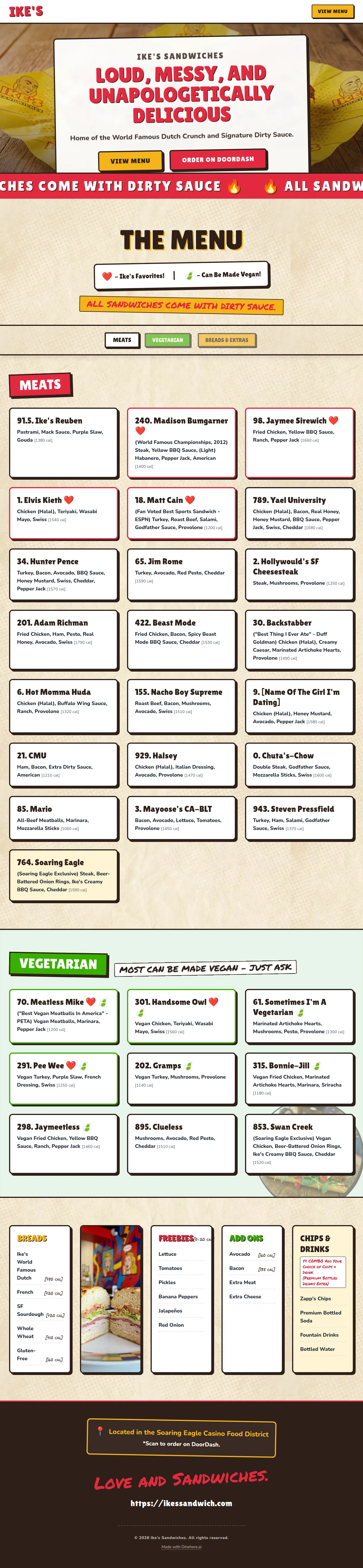
Try It FreeA real restaurant website built with Dinehere
Built from a few menu photos — this is a live site. Take a look.
Tips for Sushi Restaurant Owners
Highlight Your Rice (Shari)
Sushi connoisseurs judge a restaurant by its rice. Use your website's 'About' section to mention the type of vinegar (e.g., akazu) or rice grain you use to signal quality to serious diners.
Clarify the 'Market Price' Fear
Don't just write 'MP' on your online menu. Provide a typical price range (e.g., '$12-$18') so customers aren't afraid to order the Uni or Toro specials when they visit.
Showcase the Itamae (Chef)
Sushi is personal. Include a photo and short bio of your head chef. Knowing who is cutting the fish builds a connection and justifies premium pricing.
Explain Your Etiquette Kindly
If you have specific rules (no heavy perfume, phone usage limits), mention them gently on the website. It filters for the right clientele and prevents awkward interactions at the counter.
Use Natural Light Photography
Fish looks unappetizing under yellow kitchen lights. Take photos of your dishes near a window during the day for your website; natural light makes the fish look fresh and vibrant.
Challenges Sushi Restaurants Face Online
Reliance on PDF Menus
Why it matters: PDFs are frustrating to pinch-and-zoom on mobile phones, causing potential diners to abandon the menu and go elsewhere.
How we help: Dinehere converts your menu into a mobile-responsive format that is easy to read on any device without downloading files.
Inconsistent Business Information
Why it matters: Sushi restaurants often have complex hours (closed between lunch and dinner). Wrong hours online lead to angry customers showing up to a locked door.
How we help: We provide a simple dashboard to update hours instantly, ensuring your Google presence matches your actual operations.
Differentiation from Grocery Sushi
Why it matters: Without a professional website, a high-end sushi bar can look like a cheap takeout joint in search results.
How we help: Our elegant, minimalist templates reflect the sophistication of Japanese cuisine, instantly establishing your restaurant as a premium destination.
Three Simple Steps
Upload Your Menu
Take photos of your sushi menu or upload existing images. Our AI reads any format.
AI Creates Your Site
Watch as our AI designs a beautiful website tailored to sushi cuisine aesthetics.
Go Live Instantly
Preview, make edits if needed, and publish. Your restaurant is now online.
One Price, Everything Included
or $390/year — 2 months free
No contracts, no setup fees. Cancel anytime. Just a beautiful website for your sushi restaurant.
- AI-powered website generation
- Mobile-responsive design
- Custom subdomain (yourname.dinehere.ai)
- Menu parsing from photos
- SEO optimized
- Hosting included
- SSL certificate included
Common Questions About Sushi Restaurant Websites
Yes. Dinehere uses a simple text editor. You can update your 'Catch of the Day' or Omakase list in seconds from your smartphone while you're prepping in the kitchen.
Absolutely. You can set prices to 'MP' or provide a price range to give customers a general idea without locking yourself into a fixed cost when market rates fluctuate.
Not necessarily. While professional photos help, Dinehere's clean layout makes high-quality smartphone photos look professional. We recommend focusing on a few hero shots of your best platters.
You can use the 'About' section and a prominent notice on the homepage to explain your dining concept, seating times, and price per head, reducing confusion for walk-ins.
Yes, you can create distinct menu sections for Lunch, Dinner, and Happy Hour to keep the information organized and relevant to the time of day.
Yes, our platform supports UTF-8 characters, so you can display dish names in Japanese (Kanji/Kana) alongside English descriptions for an authentic feel.
No. Dinehere is built for online presence, not e-commerce. It clearly displays your location, hours, and menu to drive foot traffic, without adding 'Add to Cart' buttons that imply delivery.
Yes, you can add a prominent button that links directly to your external booking provider page, making it seamless for customers to secure a seat.
Best Cities for Sushi Restaurants
Related Cuisines You Might Like
Ready to Build Your Sushi Restaurant Website?
Join other sushi restaurant owners who built their websites with Dinehere.
Build My Sushi Restaurant Site