
Build Your Seafood Restaurant Website
From casual fish shacks to upscale raw bars, our AI creates coastal websites that showcase your fresh catch.
Seafood Restaurant Website Examples

AI-designed for Seafood restaurants
Understanding Seafood Cuisine
History & Origins
The history of seafood cuisine in the United States is intrinsically tied to the nation's coastal geography and maritime heritage. From the indigenous tribes of the Pacific Northwest who built cultures around the salmon run, to the colonial settlers of New England who relied on cod and clams for survival, seafood has always been a primary food source. By the 19th century, oysters became the great equalizer in American dining, served in both rough-and-tumble cellars and opulent palaces in New York City, creating a distinct 'oyster house' culture that persists today.
Regional Styles
American seafood is defined by intense regional loyalty and specific local species. New England is famed for its creamy clam chowder and butter-drenched lobster rolls. The Mid-Atlantic, particularly around Chesapeake Bay, celebrates the blue crab with heavy dustings of Old Bay seasoning. The Gulf Coast integrates Cajun and Creole influences, offering shrimp boils, crawfish étouffée, and blackened redfish. Meanwhile, the West Coast boasts Dungeness crab, geoduck, and sustainably caught wild salmon, often prepared with lighter, fresher accompaniments that highlight the product's natural sweetness.
Signature Techniques
Freshness is the governing principle of seafood preparation, dictating techniques that preserve texture and flavor. 'Steaming' and 'boiling' are communal favorites for shellfish, often done in large batches with spices and aromatics. 'Frying' remains a staple for fish and chips or calamari, requiring precise temperature control to ensure a crisp batter without overcooking the delicate flesh. More recently, raw preparations like 'crudo', 'poke', and 'ceviche' have moved from niche ethnic techniques to mainstream staples, requiring impeccable sourcing and knife skills.
Dining Culture
Seafood dining ranges from the extremely casual 'crab shack' experience, where diners eat off paper-covered tables with mallets and bibs, to white-tablecloth establishments serving seafood towers on silver platters. There is a strong cultural emphasis on seasonality and traceability; diners increasingly expect to know not just what species they are eating, but exactly where it was caught and often the name of the boat. It is a cuisine that encourages communal eating, messy hands, and a celebration of the ocean's bounty.
Our AI understands seafood
Market Price Flexibility
Easily update your digital menu to reflect daily price fluctuations for lobster, crab, and catch of the day without re-printing.
Sourcing Story Section
A dedicated space to highlight local fishermen partnerships and sustainable sourcing practices, building trust with diners.
Shellfish Allergen Clarity
Clear menu descriptions help you label dishes containing shellfish, gluten, or dairy, ensuring guest safety.
Visual Freshness Layout
Image-centric design templates that allow high-quality photos of fresh catches to take center stage.
Daily Specials Spotlight
Prominently feature limited-availability items like soft-shell crabs or seasonal runs at the top of your menu.
AI That Understands Seafood Menus
Our AI automatically recognizes and organizes traditional seafood menu categories.
From the Steamer
Shellfish served by the pound or bucket, typically with corn and potatoes.
The Raw Bar
Selection of regional oysters, clams on the half shell, and chilled crustaceans.
Fried Baskets
Classic battered seafood like cod, shrimp, or calamari served with slaw and fries.
Coastal Soups
Regional specialties like New England Clam Chowder, Lobster Bisque, or Cioppino.
Whole Fish
Market selection fish grilled or roasted bone-in.
Turf Accompaniments
Steaks or chicken options for non-seafood eaters.
Upload your menu photos and watch the magic happen
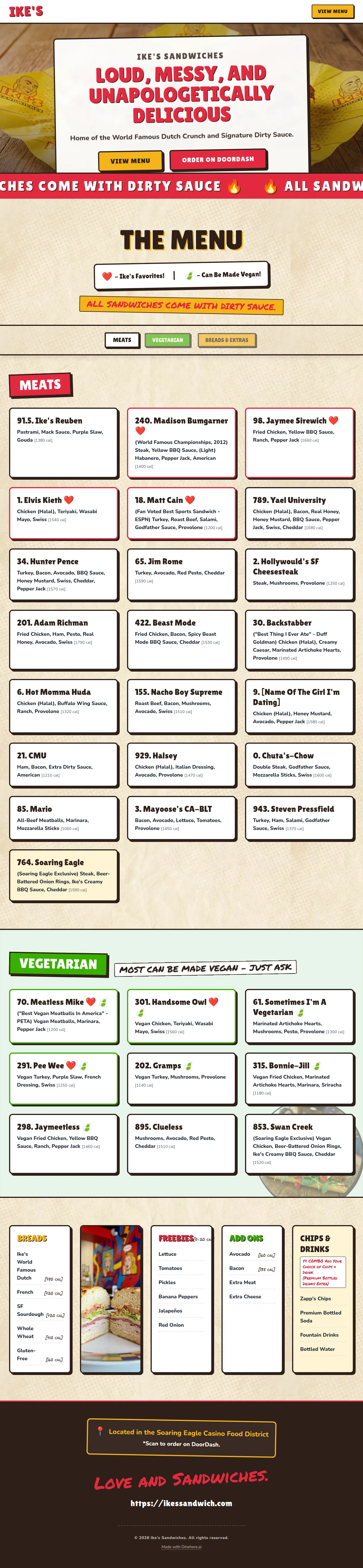
Try It FreeA real restaurant website built with Dinehere
Built from a few menu photos — this is a live site. Take a look.
Tips for Seafood Restaurant Owners
Highlight Origin Specifics
Don't just write 'Oysters.' List them as 'Kumamoto (WA)' or 'Blue Point (NY).' Specificity signals freshness and quality to seafood lovers.
Update the Fresh Sheet
Even if you only update it weekly, having a 'Fresh Catch' section on your digital menu keeps customers coming back to see what's new.
Use Natural Light for Photos
Seafood looks best in natural daylight. Avoid flash photography, which can make fish look slimy or unappetizing. Snap photos near a window.
Tell the Fisherman's Story
Use your 'About' section to mention the boats or captains you buy from. This narrative connects diners to the ocean and justifies premium pricing.
Clearly Mark Gluten-Free Options
Seafood is naturally gluten-friendly. Explicitly labeling grilled fish and raw bar items as GF can attract a large demographic of health-conscious diners.
Challenges Seafood Restaurants Face Online
Price Volatility
Why it matters: Seafood prices change constantly. Printed menus with outdated prices lead to awkward conversations and angry customers.
How we help: Dinehere allows you to update prices on your phone in seconds, so your online menu always matches the market reality without re-printing costs.
Perception of Freshness
Why it matters: A localized, outdated, or broken website makes customers fear the food might be old or unsafe—a disaster for seafood places.
How we help: We provide a clean, modern, and professional layout that subconsciously signals hygiene, freshness, and attention to detail to potential diners.
Mobile Visibility for Tourists
Why it matters: Tourists walking the waterfront decide where to eat on their phones. If your site doesn't load fast or look good on mobile, you lose them.
How we help: All our sites are fully responsive and lightweight, ensuring your menu loads instantly on 4G networks when hungry tourists are nearby.
Three Simple Steps
Upload Your Menu
Take photos of your seafood menu or upload existing images. Our AI reads any format.
AI Creates Your Site
Watch as our AI designs a beautiful website tailored to seafood cuisine aesthetics.
Go Live Instantly
Preview, make edits if needed, and publish. Your restaurant is now online.
One Price, Everything Included
or $390/year — 2 months free
No contracts, no setup fees. Cancel anytime. Just a beautiful website for your seafood restaurant.
- AI-powered website generation
- Mobile-responsive design
- Custom subdomain (yourname.dinehere.ai)
- Menu parsing from photos
- SEO optimized
- Hosting included
- SSL certificate included
Common Questions About Seafood Restaurant Websites
Not at all. You can edit menu items and prices in seconds from your phone. Many owners update their 'Fresh Sheet' every morning before service starts.
Yes. The 'About' or 'Story' section is perfect for listing your local suppliers, which adds huge credibility to your seafood offerings.
You can either list items as 'Market Price' or quickly log in to update the specific dollar amount whenever the market fluctuates.
While professional photos are great, they aren't strictly necessary. Our templates look professional with clean text, and you can upload simple, well-lit photos from your smartphone.
Yes. We optimize your site for local SEO, helping you appear in Google searches when hungry visitors are looking for nearby dining options.
Absolutely. You can create distinct sections for 'Raw Bar', 'Appetizers', 'Entrees', and 'Sides' to keep your menu organized and easy to read.
If you have your menu and a few photos ready, your site can be live in under 15 minutes. It's designed to be fast and simple.
Yes, all Dinehere websites are mobile-responsive by default. This is crucial for seafood spots where customers often search while walking around waterfront areas.
Best Cities for Seafood Restaurants
Related Cuisines You Might Like
Ready to Build Your Seafood Restaurant Website?
Join other seafood restaurant owners who built their websites with Dinehere.
Build My Seafood Restaurant Site