
Build Your Mediterranean Restaurant Website
From Greek tavernas to Levantine cuisine, our AI creates sun-drenched websites that celebrate Mediterranean flavors.
Mediterranean Restaurant Website Examples

AI-designed for Mediterranean restaurants
Understanding Mediterranean Cuisine
History & Origins
The history of Mediterranean cuisine is the history of civilization itself, spanning millennia of cultural exchange across the basin that connects Southern Europe, North Africa, and the Levant. What we now recognize as the Mediterranean diet is rooted in the 'Mediterranean Triad' of antiquity: olive oil, bread, and wine (or grapes). Over centuries, this foundation was enriched by the spice trade introducing flavors from the East, the Moorish influence in Spain and Sicily bringing citrus and almonds, and the Ottoman Empire's standardization of grilling techniques and phyllo pastries. It is a cuisine of convergence, where distinct religious and cultural traditions share a common culinary language. While the specific spices might shift from saffron in Spain to sumac in Lebanon, and the protein might switch from pork to lamb depending on the region, the core philosophy remains the same: a reliance on the seasons, the sea, and the land's natural bounty, processed minimally to preserve flavor and nutrition.
Regional Styles
The Mediterranean is far from a monolith; it is a tapestry of distinct sub-cuisines. The Western Mediterranean (Spain, Southern France, Italy) leans heavily on wine, cured meats, and tomatoes. The Eastern Mediterranean or Levantine region (Greece, Turkey, Lebanon, Israel) emphasizes yogurt, lemon, garlic, lamb, and fresh herbs like mint and parsley. North African variations (Morocco, Tunisia) introduce the tagine, couscous, and complex spice blends like Ras el Hanout, incorporating dried fruits into savory dishes in a way the European side rarely does.
Signature Techniques
Fire and fermentation are the pillars of Mediterranean cooking. Direct grilling over charcoal is ubiquitous, from the Souvlaki of Greece to the Adana Kebab of Turkey, imparting a distinct smokiness that defines the cuisine. Equally important is preservation; the brining of olives, the curing of cheese (Feta, Halloumi, Manchego), and the straining of yogurt (Labneh) were originally survival techniques that evolved into culinary signatures. Slow-cooking, seen in Moroccan tagines or Greek stifado, transforms tougher cuts of meat into tender delicacies using the low moisture methods suited to the region's climate.
Dining Culture
In the Mediterranean, eating is never a solitary act; it is the primary vehicle for socialization. The concept of 'Mezze' or 'Tapas'—many small plates shared among the table—reflects a communal approach to life where variety is prized over a single heavy portion. Meals are prolonged affairs, often lasting hours, where the focus is as much on conversation as it is on the food. Hospitality is aggressive and genuine; leaving a table hungry is considered a failure of the host, leading to the tradition of over-ordering and abundant spreads.
Our AI understands Mediterranean cuisine
Dietary Iconography Support
Mediterranean menus often cater to vegetarians, vegans, and gluten-free diets naturally; a clear way to label these dishes attracts health-conscious diners.
Shared Platter Visuals
Since this cuisine relies on 'the spread,' the layout prioritizes wide photos that show multiple dishes together, rather than just single items.
Ingredient Storytelling
Space to explain exotic ingredients (like Sumac, Za'atar, or Harissa) helps demystify the menu for customers unfamiliar with specific regional flavors.
Heritage & About Section
Mediterranean restaurants are often family-run; a dedicated section to tell the family's migration story builds deep emotional connection.
Mobile Menu Accessibility
Tourists and locals searching for 'healthy food near me' need a fast-loading menu on their phones to make quick lunch decisions.
AI That Understands Mediterranean Menus
Our AI automatically recognizes and organizes traditional mediterranean menu categories.
Cold Mezze / Orektika
Raw, cured, or pureed starters served at room temperature.
Hot Mezze / Tapas
Small cooked plates like fried calamari, grilled halloumi, or falafel.
From the Charcoal (Mangal)
Skewered meats and vegetables cooked over open coals.
Tagines & Stews
Slow-cooked braises often featuring dried fruits and complex spice blends.
Fresh Catch
Whole fish or seafood simply prepared with lemon and oil.
Manakish & Pide
Flatbreads topped with herbs (za'atar), cheese, or minced meat.
Upload your menu photos and watch the magic happen
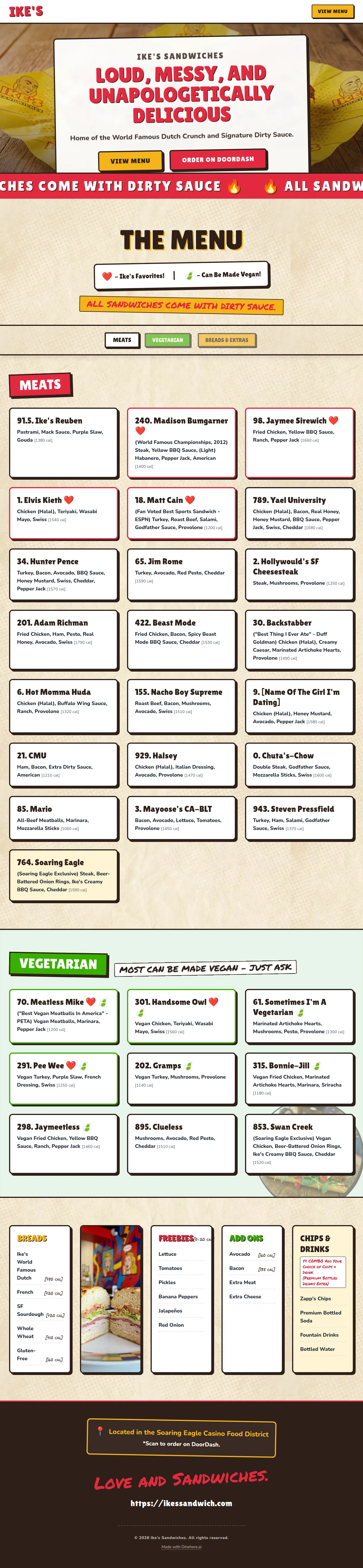
Try It FreeA real restaurant website built with Dinehere
Built from a few menu photos — this is a live site. Take a look.
Tips for Mediterranean Restaurant Owners
Leverage the 'Health Halo'
Mediterranean food is world-renowned for health benefits. Use your website's 'About' section to mention your use of heart-healthy olive oil and fresh vegetables to attract health-conscious diners.
Photograph the Spread, Not Just the Plate
Single dishes can look isolated. Take photos of a table full of Mezze dishes to convey the abundance and generosity that defines Mediterranean hospitality.
Define the Unfamiliar
Don't assume everyone knows what 'Kibbeh' or 'Spanakopita' is. Use the description fields in your menu to explain the ingredients (e.g., 'Bulgur wheat shell stuffed with spiced ground beef').
Highlight Your Bread
Whether it's Pita, Lavash, or Focaccia, bread is the utensil of the Mediterranean. Mention if it's house-made or baked fresh daily; this is a huge draw for foodies.
Showcase the Interior
Mediterranean dining is atmospheric. If you have warm lighting, tiles, or outdoor seating, make sure those photos are prominent to sell the 'mini-vacation' vibe.
Challenges Mediterranean Restaurants Face Online
Menu Anxiety
Why it matters: Customers often feel intimidated by foreign names or ingredients they don't recognize, leading them to choose safer, generic options or go elsewhere.
How we help: Dinehere's clear text layout allows you to add simple, appetizing English descriptions under every authentic dish name, bridging the gap between culture and customer.
The 'Brown Food' Problem
Why it matters: Hummus, baba ganoush, and lentils are delicious but can look unappealing in bad lighting. Poor photos on Yelp can drive customers away.
How we help: Our website templates use clean whitespace and typography to make the menu look elegant, so you don't have to rely solely on photos to sell every single dish.
Differentiation from Fast Food
Why it matters: It's easy for an authentic sit-down Mediterranean bistro to be confused with a quick-service gyro stand online.
How we help: A dedicated, branded website separates you from the 'takeout-only' crowd, establishing your business as a destination for a proper dining experience.
Three Simple Steps
Upload Your Menu
Take photos of your mediterranean menu or upload existing images. Our AI reads any format.
AI Creates Your Site
Watch as our AI designs a beautiful website tailored to mediterranean cuisine aesthetics.
Go Live Instantly
Preview, make edits if needed, and publish. Your restaurant is now online.
One Price, Everything Included
or $390/year — 2 months free
No contracts, no setup fees. Cancel anytime. Just a beautiful website for your mediterranean restaurant.
- AI-powered website generation
- Mobile-responsive design
- Custom subdomain (yourname.dinehere.ai)
- Menu parsing from photos
- SEO optimized
- Hosting included
- SSL certificate included
Common Questions About Mediterranean Restaurant Websites
Not at all. You can update your text menu items or upload new photos in seconds from your phone, ensuring your customers never order something that isn't available.
Dinehere allows for clean descriptions under every item. You can describe the flavor profile (e.g., 'Smoky roasted eggplant dip') so customers feel confident ordering new things.
Yes, our menu parser and editor allow you to clearly group or label plant-based dishes, which is a huge selling point for Mediterranean cuisine.
That is exactly what Dinehere is for. We focus on showcasing your food and providing your phone number and address, driving direct personal interactions rather than taking commissions.
No. While good photos help, a few high-quality shots of your main platters are enough. Our design keeps the site looking professional even if you don't have a photo for every side dish.
Absolutely. You can create distinct sections for 'Catering' or 'Family Trays' to capture the large-group business that is central to Mediterranean dining.
Yes, the 'About' section is perfect for sharing your family's heritage, origin city, and philosophy, which differentiates you from generic chain restaurants.
Yes. A dedicated website with optimized text helps search engines understand exactly what you serve, improving your chances of appearing in local searches compared to just social media.
Best Cities for Mediterranean Restaurants
Related Cuisines You Might Like
Ready to Build Your Mediterranean Restaurant Website?
Join other mediterranean restaurant owners who built their websites with Dinehere.
Build My Mediterranean Restaurant Site