
Build Your Ethiopian Restaurant Website
From traditional wat dishes to coffee ceremonies, our AI creates warm websites that celebrate Ethiopian culinary traditions.
Ethiopian Restaurant Website Examples

AI-designed for Ethiopian restaurants
Understanding Ethiopian Cuisine
History & Origins
Ethiopian cuisine is one of the world's most distinct and ancient culinary traditions, rooted in the history of the Aksumite Empire and shaped by the country's unique geographical isolation in the Horn of Africa. Unlike many African cuisines that rely on starches like cassava or yams, Ethiopian food is centered around teff, a tiny ancient grain indigenous to the Ethiopian highlands. For millennia, this grain has been ground and fermented to create injera, the sour, spongy flatbread that serves as both plate and utensil. The cuisine has evolved through centuries of trade, incorporating spices like ginger, cardamom, and cinnamon from the East, while maintaining a strictly indigenous character that resists outside colonization. The influence of the Ethiopian Orthodox Tewahedo Church has played a massive role in shaping the country's food history. Because the religion prescribes numerous fasting days (up to 180 days a year) where no animal products are consumed, Ethiopian cuisine developed an incredibly rich and diverse array of plant-based dishes. This historical necessity has ironically made traditional Ethiopian food a modern haven for vegans and vegetarians. Meanwhile, on feast days, the history of cattle herding in the highlands shines through in raw beef dishes and slow-simmered meat stews that have been celebrated in royal banquets for generations.
Regional Styles
While the staple injera is ubiquitous, regional differences are pronounced based on climate and religion. In the northern highlands, the cuisine is heavily influenced by the Orthodox fasting traditions, resulting in complex lentil and split pea stews (wats) flavored with mild turmeric or fiery berbere. The Gurage region is famous for Kitfo (minced raw beef marinated in spiced butter) and Kocho, a bread made from the false banana plant. In the eastern Harar region, where Islamic influence is stronger, you will find more sweet treats and a distinct usage of spices, while the southern regions often utilize root vegetables and corn alongside teff.
Signature Techniques
The soul of Ethiopian cooking lies in 'Wot' making, a slow-simmering process that begins with reducing chopped red onions without oil until they dry out and caramelize, a base called 'kulet.' Essential to this process is Berbere, a complex sun-dried spice blend containing chili peppers, garlic, ginger, basil, korarima, rue, ajwain or radhuni, nigella, and fenugreek. Another signature technique is the preparation of Nitir Kibbeh, a clarified butter simmered with spices like koseret and besobila (sacred basil) before the solids are removed, providing an unmistakable aroma to meat and vegetable dishes alike. Perhaps the most technically demanding element is the three-day fermentation process required to make the perfect injera batter, giving it the signature 'eyes' (honeycomb texture) and sour tang.
Dining Culture
Ethiopian dining is an inherently communal experience designed to strengthen social bonds. Food is served on a 'Gebeta,' a large shared platter layered with injera and topped with mounds of various stews and salads. Diners eat from the same plate using their right hand to tear off pieces of injera and scoop up the food. A vital cultural practice is 'Gursha,' where a host or loved one places a roll of food directly into another person's mouth as a gesture of respect and affection. The meal often concludes with the traditional Coffee Ceremony (Bunna), a ritualized preparation of coffee involving roasting green beans over coals, frankincense incense, and three rounds of brewing, signifying friendship and hospitality.
Our AI understands Ethiopian cuisine
Visual Ingredient Dictionary
Pop-up descriptions for unfamiliar terms like 'Berbere' or 'Mitmita' to educate new customers.
Dietary Preference Filters
Instantly highlight which sections are 'Fasting' (Vegan) or Gluten-Free (Pure Teff) for health-conscious diners.
Spice Level Calibration
Clear visual indicators (chili icons) helping customers distinguish between mild Alicha and fiery Kay Wot dishes.
Ceremony Showcase
A dedicated story section to explain the Coffee Ceremony steps, encouraging guests to book longer visits.
Amharic Script Support
Render menu items in Ge'ez script alongside English to maintain cultural authenticity and welcome the diaspora.
AI That Understands Ethiopian Menus
Our AI automatically recognizes and organizes traditional ethiopian menu categories.
Ye'Tsom Beyaynetu
Vegetarian Combination Platter
Kurt & Kitfo
Raw Meat Specialties
Tibsil
Sautéed Grilled Meats
Qurs (Breakfast)
Traditional Morning Dishes
Wot (Stews)
Slow-Simmered Curries
Upload your menu photos and watch the magic happen
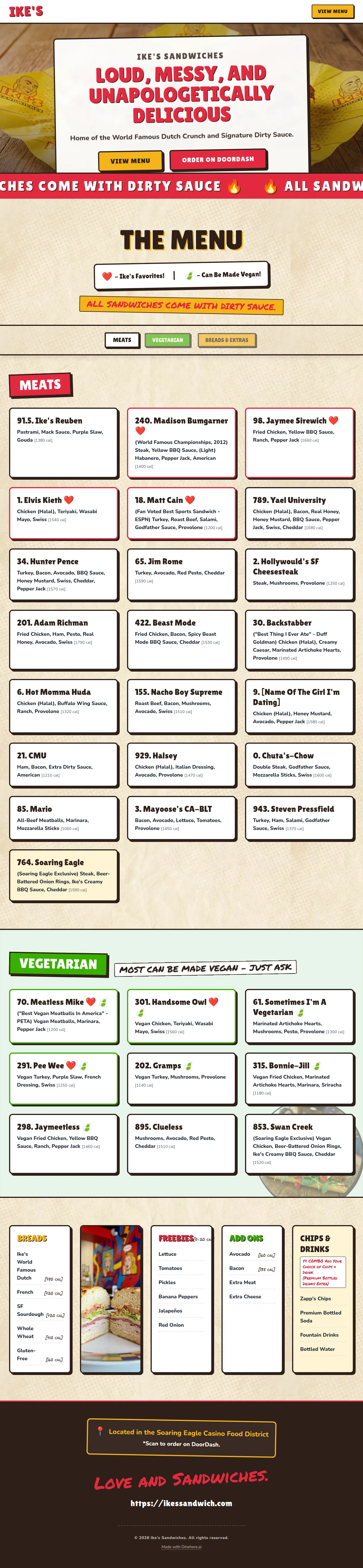
Try It FreeA real restaurant website built with Dinehere
Built from a few menu photos — this is a live site. Take a look.
Tips for Ethiopian Restaurant Owners
Demystify the Experience
Use your website's 'About' section to explain that eating with hands is traditional and sanitary. A simple 'How to Eat' guide removes anxiety for first-time visitors.
Highlight the Health Benefits
Ethiopian cuisine is naturally rich in superfoods. Explicitly label Teff as an ancient gluten-free grain and highlight your lentil dishes as high-protein vegan options to capture health trends.
Showcase the Platter Colors
A 'Beyaynetu' (mixed platter) is visually stunning with yellows, reds, and greens. Ensure your main website image is a top-down shot of a colorful shared platter to immediately stimulate appetite.
Clarify Spice Levels
Many customers fear the heat. Clearly distinguish between 'Alicha' (mild turmeric-based) and 'Key Wot' (spicy berbere-based) dishes on your digital menu to help guests choose comfortably.
Tell the Coffee Story
Don't just list 'Coffee' on the menu. Describe it as a 'Traditional Coffee Ceremony' or 'Fresh Roasted Ethiopian Beans' to turn a beverage into a cultural selling point.
Challenges Ethiopian Restaurants Face Online
Complex Menu Terminology
Why it matters: Terms like 'Doro Wot', 'Injera', and 'Fitfit' are confusing to the uninitiated, causing potential customers to bounce from the site.
How we help: Dinehere provides clear description fields for every item, allowing you to explain ingredients and textures in plain English alongside the traditional Amharic names.
Visual Representation of Stews
Why it matters: Brown and red stews can look unappealing if not presented correctly, turning customers away.
How we help: Our layout encourages the use of 'hero images' showing the full dining context—the colorful shared platter—rather than isolated close-ups of sauce, making the food look vibrant and communal.
Invisibility to Dietary Searchers
Why it matters: Ethiopian food is a paradise for vegans and gluten-free eaters, but many restaurants fail to rank for these keywords.
How we help: Dinehere's SEO optimization ensures your text-based menu is readable by Google, helping you show up when locals search for 'vegan restaurant' or 'gluten free options', not just 'Ethiopian food'.
Three Simple Steps
Upload Your Menu
Take photos of your ethiopian menu or upload existing images. Our AI reads any format.
AI Creates Your Site
Watch as our AI designs a beautiful website tailored to ethiopian cuisine aesthetics.
Go Live Instantly
Preview, make edits if needed, and publish. Your restaurant is now online.
One Price, Everything Included
or $390/year — 2 months free
No contracts, no setup fees. Cancel anytime. Just a beautiful website for your ethiopian restaurant.
- AI-powered website generation
- Mobile-responsive design
- Custom subdomain (yourname.dinehere.ai)
- Menu parsing from photos
- SEO optimized
- Hosting included
- SSL certificate included
Common Questions About Ethiopian Restaurant Websites
We recommend using the 'About' section to describe Injera as a fermented, sponge-like flatbread made from Teff (a gluten-free supergrain). You can explain that it acts as both the plate and the utensil, setting expectations before they arrive.
While Dinehere is a static site builder, you can easily create a 'Seasonal Specials' or 'Fasting Season' menu section that you can toggle visibility for, or keep up year-round since vegan options are popular.
Not at all. Dinehere organizes extensive menus into collapsible categories (like Beef, Lamb, Vegetarian, Breakfast). This allows customers to browse specific proteins without scrolling through an endless list.
Yes. Ethiopian food is often served on a mixed platter (Beyaynetu). One high-quality photo of a mixed platter can effectively represent 5-10 different menu items. You don't need individual photos for every single wot.
We can add a prominent 'Dietary Info' badge or a banner at the top of your menu stating '100% Teff Injera Available.' This is a huge selling point for modern diners that should be highlighted.
Absolutely. By having a mobile-optimized site with your address clearly encoded for Google, tourists searching 'Ethiopian food near me' or 'African cuisine' are much more likely to discover your location.
Yes, the 'Story' section is perfect for this. Sharing that your recipes come from your grandmother in Gondar or Addis Ababa adds an authentic connection that customers love.
Yes, it's designed to be affordable for independent owners. Dinehere is a simple subscription ($39/month, or $390/year with two months free), far less than an agency or designer, with hosting included and no hidden maintenance costs. You can cancel anytime.
Best Cities for Ethiopian Restaurants
Related Cuisines You Might Like
Ready to Build Your Ethiopian Restaurant Website?
Join other ethiopian restaurant owners who built their websites with Dinehere.
Build My Ethiopian Restaurant Site