
Build Your Pizza Restaurant Website
From neighborhood pizzerias to artisan pizza, our AI creates mouth-watering websites that showcase your pies.
Pizza Restaurant Website Examples

AI-designed for Pizza restaurants
Understanding Pizza Cuisine
History & Origins
Pizza's journey in the United States is a chronicle of immigrant adaptation and explosion into a national obsession. Originally a street food in Naples, Italy, intended for the working poor, it arrived on American shores with the wave of Italian immigration in the late 19th and early 20th centuries. The first documented pizzeria in the US, Lombardi's, opened in New York City in 1905, adapting the Neapolitan style by using coal-fired ovens and readily available ingredients to create a crispier, larger pie that could be sold by the slice to factory workers. Post-World War II, the dish transformed from an ethnic enclave specialty to a suburban staple, diverging into distinct regional styles. As GIs returned from Italy craving the dish and gas ovens replaced coal, the modern American pizza industry was born. Today, the landscape has come full circle, with a strong resurgence of artisanal, wood-fired methodologies coexisting alongside the classic neighborhood slice shops and heavy, pan-baked styles of the Midwest, cementing pizza as perhaps the most versatile canvas in American culinary history.
Regional Styles
The US is a patchwork of fiercely defended pizza styles. New York Style is characterized by large, hand-tossed thin crusts sold in wide slices meant to be folded. Chicago offers two distinct varieties: the famous Deep Dish with its buttery crust and chunky tomato sauce on top, and the Tavern Style thin crust, cut into squares. Detroit Style features a thick, airy rectangular crust with caramelized cheese edges (frico) and sauce ladled on top. New Haven 'Apizza' is known for its oblong shape, coal-fired char, and limited cheese usage. Meanwhile, California Style focuses on non-traditional, gourmet toppings and lighter crusts.
Signature Techniques
Great pizza revolves around fermentation and heat management. The 'cold ferment' process, often lasting 24 to 72 hours, is crucial for developing flavor and texture in the dough. Stretching techniques vary from the gentle hand-slapping of Neapolitan pies to move air into the 'cornicione' (crust rim), to the rolling pins used for cracker-thin Midwestern styles. Cooking methods are defined by the oven: blistering heat (900°F+) for wood-fired ovens to create leopard-spotting, coal ovens for a dry char, and gas deck ovens for the consistent, golden-brown bake of a classic NY slice.
Dining Culture
Pizza culture is fundamentally communal and accessible. While 'slice shops' offer a quick, solitary lunch eaten standing at a counter, the full pizzeria experience is about sharing. It is one of the few cuisines where the main dish is designed to be split among a group. In recent years, a 'pizza renaissance' has elevated the dining experience, with patrons seeking out specific flour blends, San Marzano D.O.P. tomatoes, and artisanal toppings in sit-down environments that treat pizza with the reverence of fine dining, pairing pies with natural wines and craft beers.
Our AI understands pizza
Crust & Style Differentiation
Clearly categorize menu sections to distinguish between thin crust, deep dish, or gluten-free bases so customers know exactly what texture to expect.
Ingredient Provenance Display
Highlight premium sourcing like '00 Flour,' 'San Marzano Tomatoes,' or 'Grande Cheese' directly in dish descriptions to justify premium pricing.
Topping Visual Clarity
A clean, list-based layout that prevents the 'wall of text' effect common with complex pizza menus, making it easy for customers to read add-on options on mobile.
Family Combo Showcase
prominently display meal deals and 'party size' specials, which are high-margin drivers for pizzerias, ensuring they aren't buried in the fine print.
Dietary Iconography
Simple visual cues for vegetarian, vegan (no cheese), and gluten-friendly crust options, which are increasingly critical decision factors for groups.
AI That Understands Pizza Menus
Our AI automatically recognizes and organizes traditional pizza menu categories.
Le Rosse (Red Pies)
Tomato-base classics ranging from the Marinara to the Diavola.
Le Bianche (White Pies)
Olive oil or garlic base pizzas featuring ricotta, mozzarella, and greens.
Sicilian Squares
Thick, focaccia-like crusts baked in rectangular pans.
Calzones & Rolls
Folded dough stuffed with ricotta, mozzarella, and ham or spinach.
Antipasti
Starter plates like Caprese, cured meats, and marinated olives.
Heros & Grinders
Hot Italian sandwiches on crusty bread (Chicken Parm, Meatball).
Upload your menu photos and watch the magic happen
Try It FreeA real restaurant website built with Dinehere
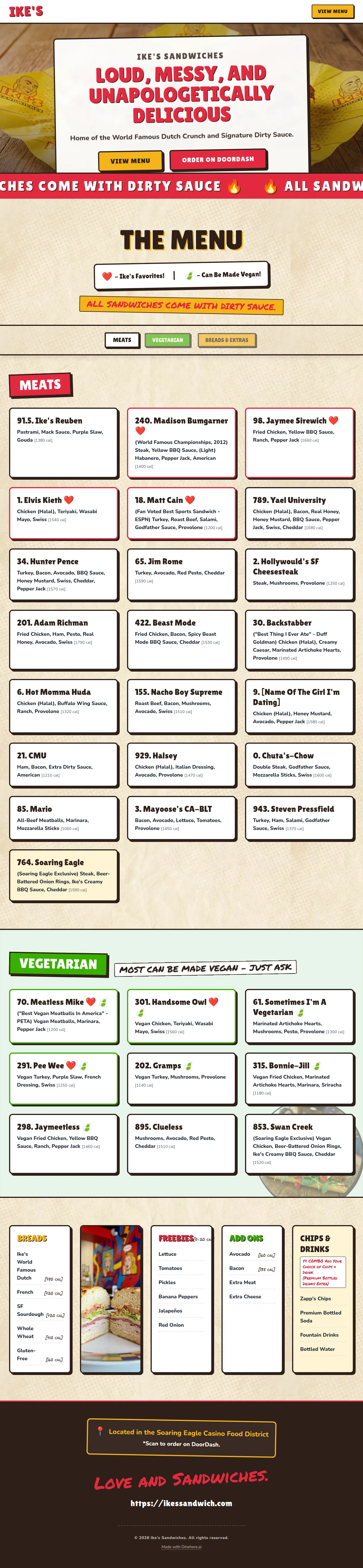
Built from a few menu photos — this is a live site. Take a look.
Tips for Pizza Restaurant Owners
Clarify Your Crust Style
Never assume customers know what 'Grandma Style' means. Use your website's description fields to explain the texture (e.g., 'Thin, garlicky, square crust') to avoid disappointed diners who expected a round pie.
Highlight Premium Ingredients
If you use Grande cheese, San Marzano tomatoes, or local sausage, state it explicitly on your digital menu. Pizza is competitive; ingredient quality is often the main differentiator between a $15 pie and a $25 pie.
Visuals for Size Perception
Pizza sizing can be confusing (a 16-inch pizza is almost double the food of a 12-inch). Use clear text descriptions like 'Feeds 3-4 people' next to your size options to help customers order the right amount.
Optimize for 'Near Me' Searches
Ensure your address and hours are text-based on your site, not just an image. This allows Google to index your location, making you appear when hungry locals search for 'pepperoni pizza near me'.
Promote High-Margin Add-ons
List beverages, garlic knots, and dipping sauces clearly in their own sections. Customers often forget these items when ordering over the phone, but will add them if they see them listed on your website.
Challenges Pizza Restaurants Face Online
The 'PDF Pinch' Problem
Why it matters: Pizza menus are dense with toppings and sizes. PDF menus are nearly impossible to read on a phone without frustrating zooming, leading to high bounce rates.
How we help: Dinehere converts your complex menu into a mobile-responsive format where categories expand and contract, making it effortless for customers to scroll through options.
Third-Party Platform Hijacking
Why it matters: If you don't have a website, delivery apps (DoorDash, UberEats) often become the top result for your name, taking a 30% commission on orders that could have been direct calls.
How we help: We give you an official, professional home on the web. Customers find your site first, view your menu, and call you directly, saving you the commission fees.
Outdated Pricing Anxiety
Why it matters: Pizza ingredients (cheese, flour) fluctuate in price. Having old prices floating around the internet causes arguments with customers at the register.
How we help: Dinehere allows for quick menu updates. Instead of re-printing flyers or waiting for a web designer, your online prices effectively manage customer expectations before they walk in.
Three Simple Steps
Upload Your Menu
Take photos of your pizza menu or upload existing images. Our AI reads any format.
AI Creates Your Site
Watch as our AI designs a beautiful website tailored to pizza cuisine aesthetics.
Go Live Instantly
Preview, make edits if needed, and publish. Your restaurant is now online.
One Price, Everything Included
or $390/year — 2 months free
No contracts, no setup fees. Cancel anytime. Just a beautiful website for your pizza restaurant.
- AI-powered website generation
- Mobile-responsive design
- Custom subdomain (yourname.dinehere.ai)
- Menu parsing from photos
- SEO optimized
- Hosting included
- SSL certificate included
Common Questions About Pizza Restaurant Websites
Not with Dinehere. We organize extensive topping lists and build-your-own sections into clean, collapsible or scrollable lists that are easy to read on mobile devices, unlike PDF menus that require pinching and zooming.
Yes. This is vital for managing expectations. We can place a clear notice on your site stating 'Dine-in and Takeout Only' so customers don't waste time looking for a delivery button.
We typically display the base price for the pie and include a clear note in the category description explaining your policy for half-toppings (e.g., 'Toppings charged at the higher price').
Absolutely. You can request price updates whenever your supplier costs change, ensuring your online menu matches your POS system without the need for a web developer.
Our websites are optimized for local SEO. By having a mobile-friendly, text-based site (rather than an image-only menu), Google can read your content, helping you rank higher in local search results.
Yes. You can upload photos of your actual pies. This is highly recommended so customers can see if you serve thin crust, Detroit style, or deep dish before they visit.
We recommend listing your permanent menu items and using the 'About' or 'Info' section to mention that rotating daily slices are available at the counter, encouraging walk-ins.
Yes. Our clean, typography-focused designs look professional even without a logo. The focus stays on your food and essential contact information.
Best Cities for Pizza Restaurants
Related Cuisines You Might Like
Ready to Build Your Pizza Restaurant Website?
Join other pizza restaurant owners who built their websites with Dinehere.
Build My Pizza Restaurant Site