
Build Your Spanish Restaurant Website
From tapas bars to paella specialists, our AI creates warm websites that celebrate Spanish cuisine.
Spanish Restaurant Website Examples

AI-designed for Spanish restaurants
Understanding Spanish Cuisine
History & Origins
Spanish cuisine is a complex tapestry woven from centuries of invasion, exploration, and geographic diversity. Its foundations were laid by the Romans, who introduced olive oil and viticulture, and significantly refined by the Moors, who brought rice, citrus, saffron, and almonds during their nearly 800-year rule. The discovery of the Americas later introduced game-changing ingredients like tomatoes, potatoes, peppers, and chocolate, which are now inseparable from Spanish gastronomy. This fusion created a culinary landscape where rustic peasant stews coexist with sophisticated techniques. Historically, Spanish food was intensely regional due to the country's mountainous terrain, which isolated communities. In the north, dairy and cattle farming thrived, while the Mediterranean coast focused on seafood and rice, and the central plains specialized in roasts and game. The evolution of 'tapas'—originally small slices of bread or meat used to cover sherry glasses to keep flies out—transformed Spanish dining into a social, communal experience that has since conquered the global culinary stage.
Regional Styles
Spain's culinary map is distinctly divided. The Basque Country and Catalonia in the north are renowned for avant-garde techniques and seafood-heavy dishes like 'bacalao al pil-pil' and 'suquet de peix.' Andalusia in the south is the home of cold soups like gazpacho and salmorejo, as well as the art of frying fish ('pescaíto frito'). Valencia is the undisputed rice capital, famous for Paella, while the central region of Castile is celebrated for its roast suckling pig and lamb. Galicia in the northwest offers the world's finest shellfish and octopus.
Signature Techniques
The 'sofrito' (a slow-cooked base of onions, garlic, peppers, and tomatoes) is the heartbeat of almost every stew and rice dish. Preservation techniques are also paramount, from the curing of Jamón Ibérico in mountain air to the pickling of vegetables (encurtidos) and the high-quality canning (conservas) of seafood. Cooking 'a la plancha' (grilling on a metal plate) preserves the integrity of fresh ingredients, while the use of pimentón (smoked paprika) defines the flavor profile of regions like Extremadura.
Dining Culture
Spanish dining is dictated by the clock and the company. Lunch is the main meal, eaten late (2:00 PM - 4:00 PM), often followed by the 'sobremesa'—the cherished tradition of lingering at the table talking long after the meal ends. Dinner is light and late, rarely starting before 9:00 PM. The culture of 'tapeo' (going for tapas) involves standing at bars, sharing small plates, and moving from one establishment to another, emphasizing food as a vehicle for socialization rather than just sustenance.
Our AI understands Spanish cuisine
Origin Storytelling Fields
Dedicated space to highlight Denomination of Origin (D.O.) for wines, cheeses, and olive oils.
Visual Ingredient Showcase
High-impact photo layouts to display premium ingredients like Jamón Ibérico and fresh seafood.
Flexible Portion Display
Clear menu structure distinguishing between Tapa, Media Ración, and Ración sizes.
Daily Specials Visibility
Easy-to-update sections for seasonal 'Fuera de Carta' (off-menu) market specials.
Cultural Context Blocks
Space to explain specific regional dishes or traditions to uninitiated diners.
AI That Understands Spanish Menus
Our AI automatically recognizes and organizes traditional spanish menu categories.
Ibéricos y Quesos
Cured ham, sausages, and artisanal cheeses
Conservas
Premium tinned seafood served simply
Arroces y Fideuàs
Rice and noodle paella-style dishes
Pintxos
Basque-style bites served on bread
Vinos y Vermut
Spanish wines and aperitifs
Upload your menu photos and watch the magic happen
Try It FreeA real restaurant website built with Dinehere
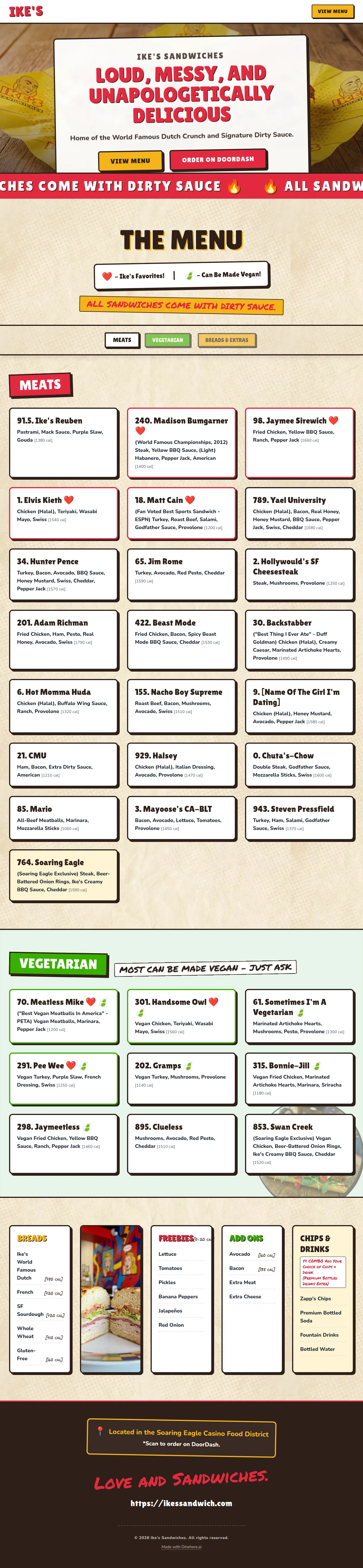
Built from a few menu photos — this is a live site. Take a look.
Tips for Spanish Restaurant Owners
Educate Through Descriptions
Don't just list 'Tortilla'. Use the item description to specify if it is 'Betanzos style' (runny) or with onions, as regional preferences vary wildly and customers appreciate the detail.
Highlight the Product
Spanish cuisine relies on ingredient quality. Mention the origin of your anchovies (e.g., Santoña) or the grade of your Jamón in your digital menu to justify price points.
Promote the Sobremesa
Use your 'About' section to invite guests to linger over gin-tonics or coffees. Positioning your restaurant as a place for social connection attracts large groups.
Visuals for Rice Dishes
Paella can look very different depending on the region. Use high-quality photos on your site so customers know if they are ordering a 'dry' rice or a 'brothy' (caldoso) rice.
Leverage 'Hora del Vermut'
Create a specific menu section for 'Aperitivos' on your website. Showcasing olives, chips, and vermouth attracts the pre-lunch or early evening crowd searching for a quick stop.
Challenges Spanish Restaurants Face Online
Misunderstood Menu Terminology
Why it matters: Customers may be scared to order 'Morcilla' or 'Callos' if they don't know what they are, leading to lost sales of authentic high-margin dishes.
How we help: Dinehere provides clear description fields where you can explain ingredients and traditions, making exotic dishes accessible and enticing to non-Spanish speakers.
Inconsistent Market Availability
Why it matters: Spanish cuisine relies on fresh market goods. Printed menus become obsolete quickly if seafood prices change or items run out.
How we help: Our platform allows instant updates from any device. You can hide items or change prices in seconds without re-printing anything.
Looking Like a 'Tourist Trap'
Why it matters: Generic, cluttered websites with stock photos make authentic restaurants look like low-quality tourist spots.
How we help: Dinehere creates a clean, minimalist aesthetic that puts the focus on your real food photography, signaling quality and authenticity to local foodies.
Three Simple Steps
Upload Your Menu
Take photos of your spanish menu or upload existing images. Our AI reads any format.
AI Creates Your Site
Watch as our AI designs a beautiful website tailored to spanish cuisine aesthetics.
Go Live Instantly
Preview, make edits if needed, and publish. Your restaurant is now online.
One Price, Everything Included
or $390/year — 2 months free
No contracts, no setup fees. Cancel anytime. Just a beautiful website for your spanish restaurant.
- AI-powered website generation
- Mobile-responsive design
- Custom subdomain (yourname.dinehere.ai)
- Menu parsing from photos
- SEO optimized
- Hosting included
- SSL certificate included
Common Questions About Spanish Restaurant Websites
Yes, Dinehere allows you to add descriptive text to your menu sections. You can clearly distinguish small tasting plates from larger shared portions to manage customer expectations.
You can update your menu instantly from your phone. If you have fresh seafood or a daily stew, you can add it to a 'Specials' section in seconds.
Absolutely. Our design cleanly organizes beverage lists, allowing you to categorize wines by region (Rioja, Ribera del Duero) or type, making it easy for customers to browse on mobile.
Yes. Visuals are crucial for Spanish cuisine. You can upload photos for every item to showcase the quality of your slicing and presentation.
Yes, Dinehere sites are mobile-first. This is perfect for the late-night Spanish dining crowd searching for an open kitchen while walking the city.
Definitely. The 'About' section is perfect for telling the story of your culinary heritage, your chef's background, or the specific region your food comes from.
No. Our AI builds a professional, clean layout that lets your food photos provide the color and vibrancy, saving you the cost of a designer.
You can add notes to specific items. It is common to add a note like 'Please allow 20 minutes' to rice dishes directly in the item description.
Best Cities for Spanish Restaurants
Related Cuisines You Might Like
Ready to Build Your Spanish Restaurant Website?
Join other spanish restaurant owners who built their websites with Dinehere.
Build My Spanish Restaurant Site