
Build Your Korean Restaurant Website
From Korean BBQ to traditional stews, our AI creates modern websites that showcase Korean flavors.
Korean Restaurant Website Examples

AI-designed for Korean restaurants
Understanding Korean Cuisine
History & Origins
Korean cuisine, or 'Hansik', is a culinary tradition evolved through centuries of social and political change, originating from ancient agricultural and nomadic traditions in the Korean peninsula. Historically, it was heavily influenced by the strict social hierarchy of the Joseon Dynasty, where cuisine was divided into food for the commoners and 'Surasang' (Royal Court Cuisine), which involved twelve dishes served in specific bronze vessels. Over time, these distinct lines blurred, allowing regional specialties and royal techniques to merge into the vibrant, communal dining culture seen today. A defining characteristic of Korean food history is the deep connection to nature and the philosophy of 'Eumyangohaeng' (Yin-Yang and the Five Elements), which dictates that a meal should include five colors—green, red, yellow, white, and black—representing different directions and elements to ensure nutritional balance. This philosophy is most visibly preserved in dishes like Bibimbap. Additionally, the harsh winters of the peninsula necessitated the development of advanced preservation techniques, leading to the centrality of 'Jang' (fermented sauces) and Kimchi in the Korean diet, which remain the backbone of flavor profiles today. In the modern era, Korean cuisine has seen an explosion of global popularity, transitioning from traditional home-style cooking to dynamic street food culture and high-end BBQ experiences. The post-war era introduced new ingredients like Spam and sausages, creating fusion dishes like Budae Jjigae (Army Base Stew), while the global 'Hallyu' wave has brought items like Korean Fried Chicken and Tteokbokki to the forefront of international dining scenes, particularly in cosmopolitan hubs across the UK.
Regional Styles
Korean cuisine varies significantly by geography and climate. The northern regions, with colder winters, historically produced food that was less salty and not as spicy, famous for their cold buckwheat noodles (Naengmyeon). In contrast, the southern provinces like Jeolla are known as the breadbasket of Korea, famous for their rich, salty, and spicy flavor profiles, heavily utilizing salted seafood (Jeotgal) and producing the most renowned variations of Kimchi. Coastal cities like Busan offer distinct seafood-heavy menus, including raw fish dishes (Hoe) and spicy fish soups, often served with unique regional dipping sauces. Meanwhile, the cuisine of Seoul, the capital, was traditionally more refined and mild, influenced heavily by royal court standards, focusing on presentation and the purity of ingredients rather than overpowering spice.
Signature Techniques
The soul of Korean cooking lies in fermentation ('Balhyo'). The trinity of Korean flavors—Ganjang (soy sauce), Doenjang (soybean paste), and Gochujang (chili paste)—requires months or years of fermentation to develop deep, umami-rich profiles. Another signature technique is 'Muchim', where blanched vegetables are tossed by hand with seasonings to create Namul, maximizing texture and flavor absorption. Grilling ('Gui') is perhaps the most globally recognized technique, where meat is marinated or cooked fresh over charcoal at the table. Unlike Western grilling, this often involves cutting meat with scissors during the cooking process. Additionally, the preparation of broths ('Tang' or 'Guk') involves long simmering times to extract collagen and flavor from bones, essential for soups that accompany almost every meal.
Dining Culture
Korean dining is inherently communal and based on sharing. A typical meal setup, 'Bapsang', features rice and soup for individuals, but all side dishes ('Banchan') and main entrees are placed in the center to be shared. This reinforces the concept of 'Jeong'—a deep feeling of connection and affection between people. The table is often crowded with small plates, creating a visually abundant spread that signals hospitality. Drinking culture is also inseparable from dining, with specific foods called 'Anju' designed solely to accompany alcohol like Soju or Makgeolli. Etiquette is paramount; the youngest at the table typically pours drinks for the elders, turning away slightly as a sign of respect. The concept of 'Ssam' (wrapping meat and rice in leafy greens) is another interactive element, allowing diners to customize every bite with different sauces and garlic.
Our AI understands Korean cuisine
Visual Set Menu Layouts
Showcase complex BBQ sets and Hanjeongsik (full course) meals clearly so customers understand exactly what is included in the price.
Ingredient Glossaries
Dedicate space to explain unique ingredients like Gochujang, Perilla leaves, or Acorn jelly to educate customers unfamiliar with Korean staples.
Spice Level Indicators
Clearly mark dishes from 'Mild' to 'Fiery' to help customers navigate the menu comfortably, reducing kitchen complaints.
Bilingual Menu Support
Display dish names in Hangul alongside English descriptions to appeal to both native speakers and locals seeking authenticity.
Anju & Alcohol Pairing
Highlight specific food matches for your Soju and Makgeolli selection to encourage higher beverage sales.
AI That Understands Korean Menus
Our AI automatically recognizes and organizes traditional korean menu categories.
Anju (Drinking Snacks)
Savory dishes designed to be eaten with alcohol.
Jeon (Korean Pancakes)
Savory pancakes made with kimchi, seafood, or green onions.
Tang & Jjigae (Soups & Stews)
Hearty broths and spicy stews served boiling hot.
Myeon (Noodles)
Various noodle dishes ranging from cold buckwheat to spicy wheat noodles.
Hanjeongsik (Full Course)
A traditional full-course table setting with numerous side dishes.
Fried Chicken (Chimaek)
Double-fried crispy chicken with various glazes.
Upload your menu photos and watch the magic happen
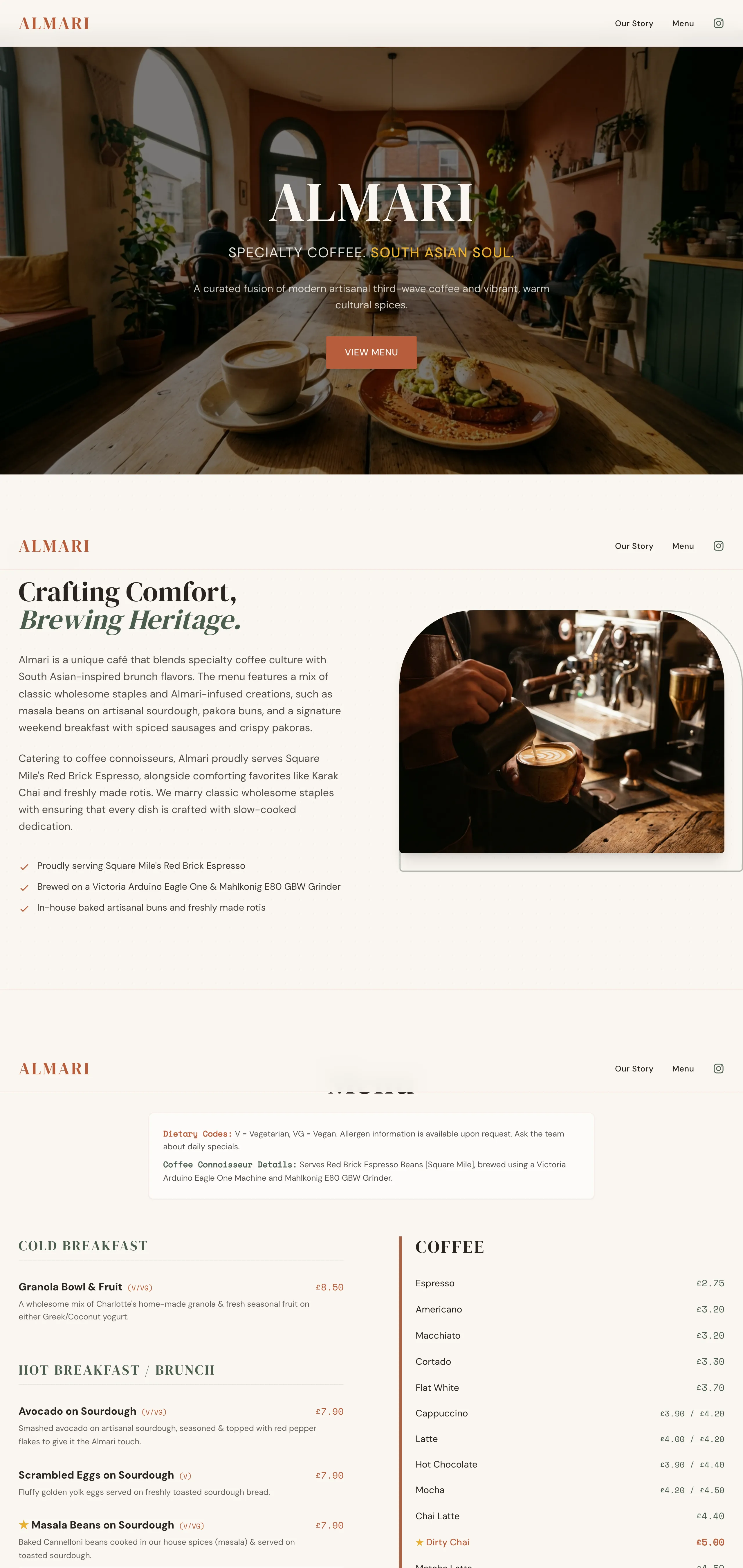
Try It FreeA real restaurant website built with Dinehere
Built from a few menu photos — this is a live site. Take a look.
Tips for Korean Restaurant Owners
Photograph the 'Full Spread'
Don't just photograph individual bowls. Take at least one overhead shot showing the main dish surrounded by all the colorful Banchan to convey the generosity and variety of a Korean meal.
Explain the 'How-To'
Use your website's story section to briefly explain how to eat BBQ (wrapping in lettuce with ssamjang). This reduces anxiety for non-Korean customers who are afraid of doing it 'wrong'.
Highlight Fermentation Benefits
With the growing interest in gut health, use your menu descriptions to mention the probiotic benefits of your Kimchi and Doenjang-based dishes.
Translate the Spice
Korean 'spicy' is different from Western 'spicy'. Use a clear visual scale on your digital menu so customers know the difference between mild Doenjang Jjigae and fiery Buldak.
Promote the Lunch Box (Dosirak)
If you offer takeaway lunch, highlight 'Dosirak' sets on your website. These all-in-one meal boxes are visually appealing and popular with office workers looking for a quick, balanced lunch.
Challenges Korean Restaurants Face Online
Conveying the 'All-You-Can-Eat' Concept
Why it matters: If the menu isn't clear that side dishes are free or that BBQ sets are for sharing, customers may perceive the prices as high.
How we help: Dinehere allows for descriptive text headers and 'Note' sections in the menu, letting you clearly state 'Unlimited Banchan included' or 'Set for 2 People' right next to the price.
Visual Clutter on Mobile
Why it matters: Korean menus are extensive. A PDF menu on a phone requires constant zooming and scrolling, frustrating hungry customers.
How we help: We turn your menu into a mobile-responsive list. Categories like 'Stew', 'BBQ', and 'Noodles' are collapsible, making navigation smooth and instant.
Language Barriers Online
Why it matters: Using only Romanized names (like 'Jeyuk Bokkeum') without description confuses locals; using only English ('Spicy Pork') loses authenticity.
How we help: Our simple text editor encourages a dual approach: bold authentic names followed by clear English descriptions, giving you the best of both worlds for SEO and user experience.
Three Simple Steps
Upload Your Menu
Take photos of your korean menu or upload existing images. Our AI reads any format.
AI Creates Your Site
Watch as our AI designs a beautiful website tailored to korean cuisine aesthetics.
Go Live Instantly
Preview, make edits if needed, and publish. Your restaurant is now online.
One Price, Everything Included
or £290/year — 2 months free
No contracts, no setup fees. Cancel anytime. Just a beautiful website for your korean restaurant.
- AI-powered website generation
- Mobile-responsive design
- Custom subdomain (yourname.dinehere.ai)
- Menu parsing from photos
- SEO optimized
- Hosting included
- SSL certificate included
Common Questions About Korean Restaurant Websites
You can use the About or Menu section to explain that Banchan are complimentary and refillable. We recommend showcasing a high-quality photo of a full table spread to visually communicate the value and variety customers receive.
Yes, but we recommend mixing raw shots with photos of the cooked product. High-quality images of marbled Wagyu or Galbi look premium raw, but showing the grilled result often appeals more to first-time customers.
Not at all. Dinehere is built for ease; you can swap out text items or hide dishes in seconds from your phone, which is perfect for rotating seasonal Namul or Kimchi varieties.
Your website will include a direct Google Maps integration. Since we optimize for local SEO, people searching 'Korean food near me' or 'Korean BBQ in [City]' are more likely to find your site and directions.
You can create a dedicated 'Lunch Special' section on your single-page site. This is effective for highlighting quick meals like Dosirak or Cupbop to office workers nearby.
Absolutely. The 'About' section is the perfect place to explain your chef's background, your family's history with fermentation, or the origin of your signature sauces.
Yes, most customers will search for food on their phones. Dinehere sites are fully responsive, ensuring your menu and photos look perfect on any screen size.
Yes, it's designed to be affordable for independent owners. Dinehere is a simple subscription (£29/month, or £290/year with two months free), far less than an agency or designer, with hosting included and no hidden maintenance costs. You can cancel anytime.
Best Cities for Korean Restaurants
Related Cuisines You Might Like
Ready to Build Your Korean Restaurant Website?
Join other korean restaurant owners who built their websites with Dinehere.
Build My Korean Restaurant Site