
Build Your Japanese Restaurant Website
From sushi bars to ramen shops, our AI creates elegant websites that honor Japanese culinary traditions.
Japanese Restaurant Website Examples

AI-designed for Japanese restaurants
Understanding Japanese Cuisine
History & Origins
Japanese cuisine, or 'Washoku', is a culinary tradition deeply rooted in the appreciation of nature, seasonality ('shun'), and aesthetic presentation. Its history spans thousands of years, evolving from the simple rice-centric diet of the Yayoi period to the sophisticated banquet style of Honzen-ryori practiced by the samurai class. The Edo period (1603–1867) marked a significant turning point with the development of fast food precursors like nigiri sushi, tempura, and soba noodles, which were originally sold at street stalls to busy Tokyo workers. This era solidified the fundamental flavour profile of dashi, soy sauce, sake, and mirin that defines the cuisine today. In the modern era, Japanese food has transcended borders, influencing global gastronomy with its emphasis on umami and raw ingredients. While traditional kaiseki remains the pinnacle of Japanese fine dining—featuring a multi-course meal that balances taste, texture, and appearance—casual styles like Izakaya (gastropubs) and Ramen shops have gained immense popularity worldwide. In the UK, the perception of Japanese food has shifted from exotic luxury to a beloved staple, ranging from high-end Omakase counters in Mayfair to authentic family-run udon shops in local neighbourhoods.
Regional Styles
Japan's geography heavily influences its regional flavours. Kanto (Tokyo area) cuisine is known for strong, dark soy sauce broths and nigiri sushi. In contrast, Kansai (Osaka and Kyoto) favours lighter dashi broths, udon noodles, and 'oshizushi' (pressed sushi). Hokkaido in the north is famous for rich miso ramen, soup curries, and unparalleled seafood like crab and sea urchin. Hiroshima is renowned for its layered style of okonomiyaki, while Fukuoka is the birthplace of the rich, pork-bone tonkotsu ramen broth.
Signature Techniques
The soul of Japanese cooking lies in knife skills ('hōchō'), where the cut of the fish or vegetable alters its texture and flavour profile. Fermentation is another pillar, producing staples like miso, shoyu (soy sauce), and natto. 'Agemono' covers deep-frying techniques like the airy batter of tempura or the crisp crunch of katsu. Crucially, the preparation of 'Sumemeshi' (vinegared rice) is considered an art form that takes years to master, serving as the foundation for all sushi.
Dining Culture
Japanese dining is centred around 'Omotenashi', a philosophy of hospitality that anticipates the guest's needs before they are spoken. Meals often begin with the phrase 'Itadakimasu' (I humbly receive) and end with 'Gochisousama deshita' (It was a feast). Dining styles vary from the solitary focus of a ramen counter to the communal sharing of small plates in an Izakaya. Presentation is paramount; dishes are chosen to reflect the season, often using specific ceramics and garnishes to evoke the time of year.
Our AI understands Japanese cuisine
Seasonal Menu Updates
Easily update your digital menu to highlight seasonal specialties like Sakura-themed desserts in spring or heavy nabe pots in winter.
Omakase Explainer Section
A dedicated space to explain your Chef's Choice philosophy and pricing, setting clear expectations for high-end diners.
Visual Ingredient Glossary
Showcase high-quality images of specific fish cuts (Otoro, Chutoro) to educate customers and justify premium pricing.
Zen Aesthetic Layouts
Minimalist website templates that utilize white space ('Ma') effectively, mirroring the tranquility of traditional Japanese interior design.
Bilingual Menu Support
Display dish names in Kanji/Hiragana alongside English descriptions to maintain authenticity while ensuring accessibility.
AI That Understands Japanese Menus
Our AI automatically recognizes and organizes traditional japanese menu categories.
Zensai (Appetizers)
Small, intricate starter dishes meant to whet the appetite.
Yakimono (Grilled)
Items grilled over charcoal or teppan.
Agemono (Deep Fried)
Lightly battered or breaded fried dishes.
Men-rui (Noodles)
Various noodle soups and dipped noodle dishes.
Donburi (Rice Bowls)
Simmered fish, meat, or vegetables served over rice.
Nihonshu & Shochu
Japanese rice wine and distilled spirits.
Upload your menu photos and watch the magic happen
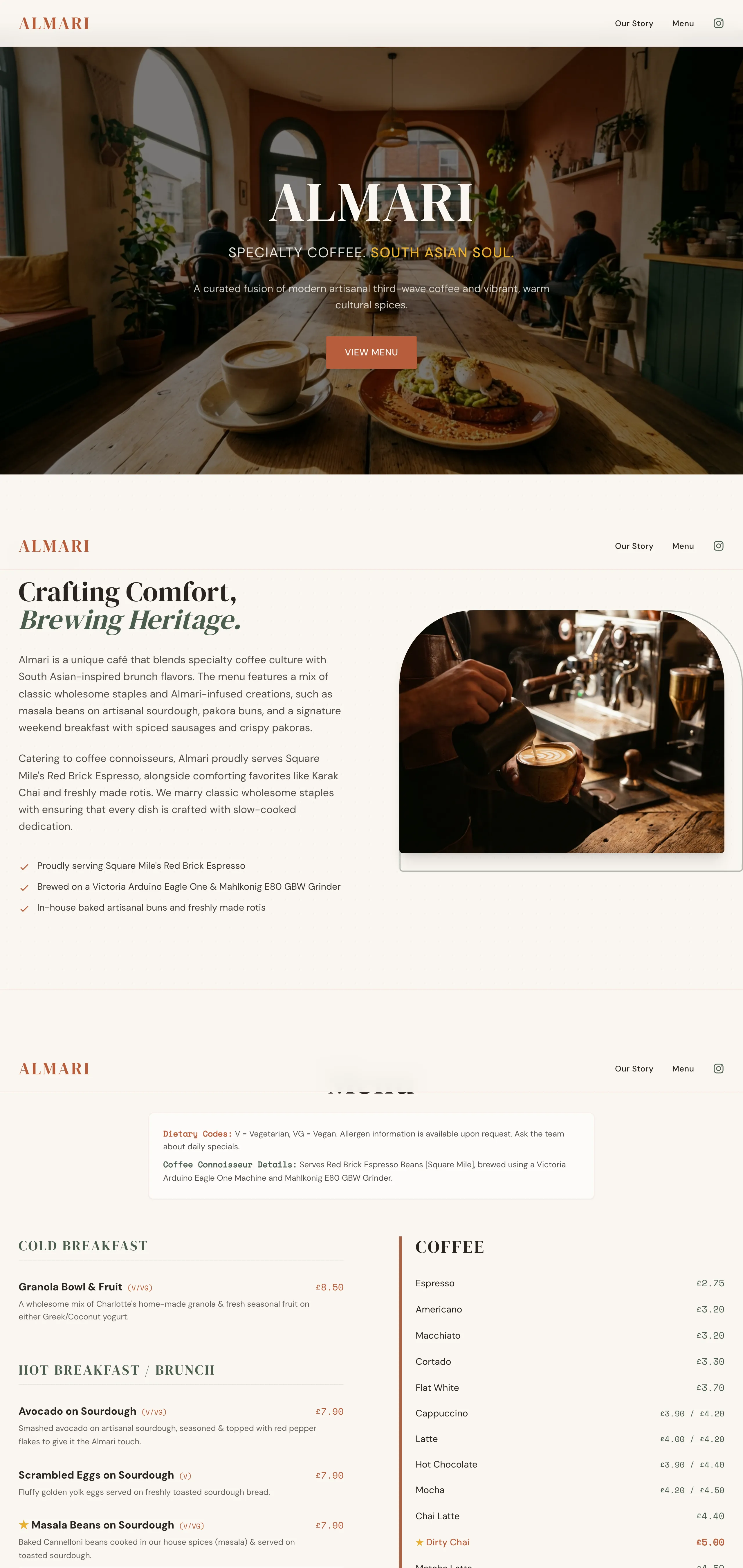
Try It FreeA real restaurant website built with Dinehere
Built from a few menu photos — this is a live site. Take a look.
Tips for Japanese Restaurant Owners
Showcase Freshness Visually
Japanese cuisine relies on visual freshness. Ensure your website header features a high-quality, well-lit photo of your raw ingredients or a steaming bowl of broth to instantly convey quality.
Clarify Your Dining Style
Use your 'About' section to explain if you are a fast-casual ramen shop, a formal kaiseki spot, or a rowdy izakaya. Setting the right atmosphere expectation online reduces complaints.
Highlight Dietary Accommodations
Japanese food can be tricky for gluten-free (soy sauce) or vegetarian (dashi/bonito) diners. Explicitly marking safe options on your digital menu builds immense trust with these customers.
Tell the Chef's Story
If your chef trained in Japan or has a specific lineage, mention it. Authenticity is a huge selling point for Japanese cuisine enthusiasts in the West.
Optimize for 'Near Me' Searches
Ensure your location and hours are text-based (not just an image) so Google can index them. This helps you capture the hungry mobile traffic looking for sushi nearby.
Challenges Japanese Restaurants Face Online
Menu Complexity and Terminology
Why it matters: Customers may be intimidated by terms like 'Kaiseki', 'Omakase', or specific fish names, leading them to choose safer, less profitable options or go elsewhere.
How we help: Dinehere's layout allows for clear descriptions and translations under every item, making the menu approachable and educational without clutter.
Inaccurate Third-Party Listings
Why it matters: Old menus on TripAdvisor or Yelp often show prices from three years ago or dishes you no longer serve, causing frustration.
How we help: By having your own professional website, you establish a 'source of truth' that you control. You can direct all traffic there for the most accurate, up-to-date information.
Visual Representation
Why it matters: Japanese food is eaten with the eyes. A text-only PDF menu or blurry Facebook photos fail to capture the artistry of the plating.
How we help: Our platform parses your photos into a beautiful, mobile-responsive gallery that highlights the texture and color of your dishes, enticing customers before they even walk in.
Three Simple Steps
Upload Your Menu
Take photos of your japanese menu or upload existing images. Our AI reads any format.
AI Creates Your Site
Watch as our AI designs a beautiful website tailored to japanese cuisine aesthetics.
Go Live Instantly
Preview, make edits if needed, and publish. Your restaurant is now online.
One Price, Everything Included
or £290/year — 2 months free
No contracts, no setup fees. Cancel anytime. Just a beautiful website for your japanese restaurant.
- AI-powered website generation
- Mobile-responsive design
- Custom subdomain (yourname.dinehere.ai)
- Menu parsing from photos
- SEO optimized
- Hosting included
- SSL certificate included
Common Questions About Japanese Restaurant Websites
Not at all. Dinehere allows you to quickly edit text or hide unavailable items instantly from your phone, so you never disappoint a customer expecting a specific catch.
Yes, our platform supports distinct menu sections. You can clearly separate 'Teishoku' (lunch sets) from your evening Izakaya or Omakase offerings to avoid confusion.
Absolutely. We prioritize image quality. Your vibrant tuna textures and intricate garnishes will look crisp and appetizing on both mobile and desktop screens.
Your 'About' section and the immediate visual of your menu are key. We help you craft a narrative that highlights your specialty, whether it's Katsu, Yakitori, or Ramen, to manage customer expectations.
Yes. We remove the clutter of 'Order Now' buttons. Your site will focus entirely on your location, hours, and menu, driving foot traffic rather than online orders.
Definitely. You can add detailed descriptions for your drinks, explaining the SMV (Sake Meter Value), acidity, and origin to help customers choose before they arrive.
While the main interface is optimized for standard web readability (horizontal), you can upload artistic images of your handwritten daily specials or calligraphy to maintain that traditional aesthetic.
Everything's included. Your subscription (£29/month, or £290/year with two months free) covers the website, hosting, and a custom subdomain, so there's no separate hosting bill. If you already own a .com you can connect it too. Cancel anytime.
It is designed specifically for you. You don't need to know code or design. We handle the setup, and making changes later is as simple as sending a text message.
Best Cities for Japanese Restaurants
Related Cuisines You Might Like
Explore Other Cuisines
Ready to Build Your Japanese Restaurant Website?
Join other japanese restaurant owners who built their websites with Dinehere.
Build My Japanese Restaurant Site