
Build Your Turkish Restaurant Website
From kebab houses to refined Ottoman cuisine, our AI creates elegant websites that celebrate Turkish flavors.
Turkish Restaurant Website Examples

AI-designed for Turkish restaurants
Understanding Turkish Cuisine
History & Origins
Turkish cuisine is a complex and historically rich fusion that traces its roots back to the nomadic traditions of Central Asia, refined over centuries by the diverse cultures of the Ottoman Empire. As the Ottomans expanded across the Middle East, the Balkans, and the Mediterranean, their kitchens absorbed and adapted local techniques, resulting in a culinary landscape that is remarkably varied. The imperial kitchens of Topkapi Palace in Istanbul became the epicenter of this evolution, where chefs competed to create the most exquisite dishes for the Sultan, perfecting recipes that are now staples of modern Turkish dining. Beyond the palace, the cuisine is deeply influenced by geography. The fertile lands of Anatolia provided an abundance of grains and livestock, while the extensive coastlines introduced a wealth of seafood and olive oil traditions. This historical convergence created a unique dichotomy between the sophisticated 'Saray' (palace) cuisine—characterized by dried fruits, aromatic spices, and slow-cooked stews—and the hearty 'Halk' (folk) cuisine of the villages, known for its soups, grains, and grilled meats. Today, Turkish food is recognized globally not just for kebabs, but for its emphasis on fresh ingredients, complex spice blends, and the communal joy of the table.
Regional Styles
The culinary map of Turkey is distinct and varied. The Aegean and Mediterranean coasts are famous for their 'Zeytinyağlılar'—vegetable dishes cooked in olive oil and served cold, alongside an abundance of seafood and herbs. In contrast, the Southeast (Gaziantep, Urfa, Adana) is the heartland of spices and flame-grilled meats, heavily influenced by Arab and Kurdish traditions, producing the world-famous spicy kebabs and sticky-sweet baklava. The Black Sea region offers a completely different palette, relying heavily on corn, kale, anchovies (hamsi), and hazelnuts, reflecting a damper climate and rugged terrain. Central Anatolia is known for its mastery of dough and clay-pot cooking, being the home of Manti (dumplings) and various flatbreads.
Signature Techniques
Central to Turkish cooking is the 'Ocakbaşı' (fireside) culture, utilizing charcoal grills to impart a distinct smokiness to meats without drying them out. The mastery of dough is another pillar, ranging from paper-thin phyllo for baklava to the chewy, blistered crusts of stone-baked Pide and Lahmacun. 'Tencere yemekleri' (pot dishes) represent the home-cooking aspect, involving slow-simmering stews often thickened with tomatoes and red pepper paste (salça). Additionally, the use of yogurt is pervasive, used not just as a side but as a tenderizer for marinades and a base for soups like Yayla çorbası.
Dining Culture
Turkish dining is centered around the concept of 'Keyif'—the art of idle relaxation and enjoyment. Meals are rarely rushed and often begin with a spread of Meze (small shared plates) accompanied by Raki or Ayran. Hospitality (misafirperverlik) is a cultural imperative; serving generous portions is a sign of respect. The meal is almost religiously concluded with tea (çay) served in tulip-shaped glasses, facilitating conversation long after the food is finished. The 'Turkish Breakfast' (Serpme Kahvaltı) is also legendary, transforming the morning meal into a hours-long social event featuring dozens of small dishes.
Our AI understands Turkish cuisine
Ingredient Transparency Display
Easily list ingredients for dishes like 'İmam Bayıldı' or 'Karnıyarık' to help customers unfamiliar with Turkish names understand the flavors.
Halal Assurance Badge
Prominently display Halal certification or sourcing standards, a critical decision factor for many patrons of Turkish cuisine.
Visual Breakfast Spread
A layout specifically designed to showcase the scale and variety of a 'Serpme Kahvaltı' (Turkish breakfast) via high-quality imagery.
Chef's Story Section
Space to narrate the 'Usta' (master chef) background and regional origins, adding authenticity to your kebab or baklava recipes.
Catering & Large Group Highlight
dedicates sections to promote family-style platters and large gatherings, which are central to Turkish dining culture.
AI That Understands Turkish Menus
Our AI automatically recognizes and organizes traditional turkish menu categories.
Çorbalar (Soups)
Traditional starters like Mercimek (Lentil) or Kelle Paça.
Zeytinyağlılar (Olive Oil Dishes)
Vegetables like green beans, artichokes, or stuffed vine leaves cooked in olive oil.
Ocakbaşı (From the Grill)
Charcoal-grilled meats including Adana, Urfa, Chicken Shish, and Lamb Chops.
Hamur İşleri (Pastries & Dough)
Lahmacun, Pide varieties, and Börek.
Salatalar (Salads)
Shepherd's Salad (Çoban), Gavurdağı (Walnut salad), and seasonal greens.
Tatlılar (Desserts)
Baklava, Künefe, Sütlaç (Rice Pudding), and Kazandibi.
Upload your menu photos and watch the magic happen
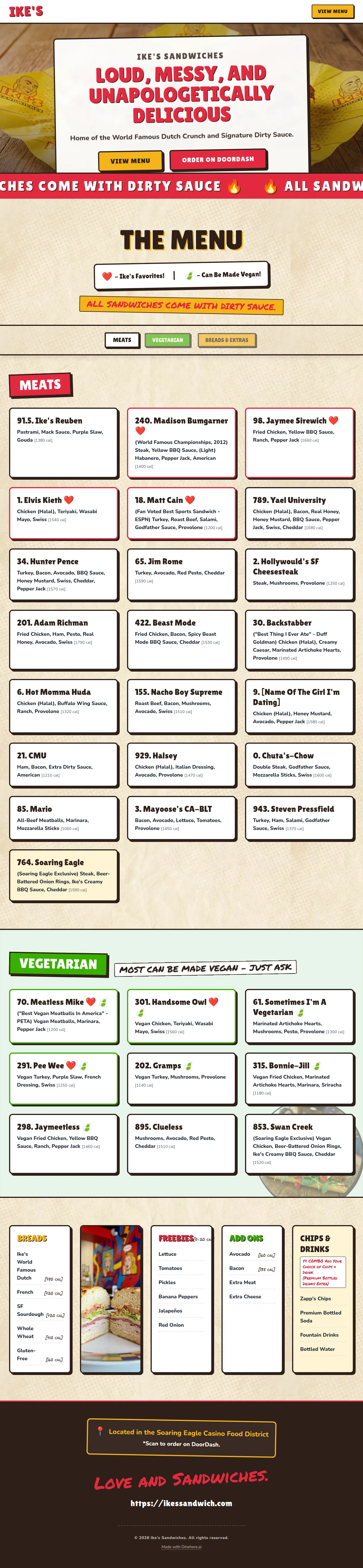
Try It FreeA real restaurant website built with Dinehere
Built from a few menu photos — this is a live site. Take a look.
Tips for Turkish Restaurant Owners
Use Authentic Names with English Descriptions
Don't just translate 'İskender Kebab' as 'Meat with Bread'. Keep the Turkish name for authenticity but use the description field to explain the browned butter and tomato sauce preparation.
Highlight Vegetarian Options
Turkish cuisine is surprisingly vegan-friendly due to olive oil dishes. Make sure to tag your 'Zeytinyağlı' dishes and Mezes as vegetarian/vegan to attract a wider audience.
Showcase the 'Spread' Visual
Turkish dining is visual. Use your hero image to show a table full of mezes or a full breakfast spread rather than a single plate, conveying the culture of abundance.
Explain the Bread Culture
Since bread is complimentary and crucial in Turkish dining, mention your fresh-baked 'Lavaş' or 'Ekmek' in your About section to entice carb-loving customers.
Promote Tea Culture
Mention that you serve authentic Turkish tea. For many customers, knowing they can finish their meal with a proper glass of 'Çay' is a major draw.
Challenges Turkish Restaurants Face Online
Complexity of the Menu
Why it matters: Turkish menus often have huge variety (mezes, grills, pides, desserts). If the digital layout is cluttered, customers get overwhelmed and leave the site.
How we help: Dinehere's categorized layout cleanly separates sections (Meze vs. Grill vs. Pide), making navigation intuitive on mobile devices without clutter.
Unfamiliar Dish Terminology
Why it matters: Customers might be intimidated by names like 'Hünkar Beğendi' or 'Ali Nazik' if they don't know what they are.
How we help: Our simple menu editor encourages clear descriptions and photo integration, removing the 'risk' for customers trying new dishes.
Invisibility in 'Near Me' Searches
Why it matters: Tourists or locals craving kebabs won't find you if you rely solely on social media pages that Google can't index properly.
How we help: Dinehere provides a SEO-optimized website structure that helps you rank for local terms like 'Turkish restaurant' or 'best baklava' in your city.
Three Simple Steps
Upload Your Menu
Take photos of your turkish menu or upload existing images. Our AI reads any format.
AI Creates Your Site
Watch as our AI designs a beautiful website tailored to turkish cuisine aesthetics.
Go Live Instantly
Preview, make edits if needed, and publish. Your restaurant is now online.
One Price, Everything Included
or $390/year — 2 months free
No contracts, no setup fees. Cancel anytime. Just a beautiful website for your turkish restaurant.
- AI-powered website generation
- Mobile-responsive design
- Custom subdomain (yourname.dinehere.ai)
- Menu parsing from photos
- SEO optimized
- Hosting included
- SSL certificate included
Common Questions About Turkish Restaurant Websites
Yes. Dinehere allows you to add clear, concise descriptions under traditional names (like explaining that 'Hünkar Beğendi' is lamb stew on eggplant puree), helping customers order with confidence.
Not at all. You can update your menu items in seconds from your phone, perfect for rotating daily specials or seasonal olive oil dishes.
Absolutely. Our layout prioritizes high-resolution imagery, allowing the vibrant colors of your grilled meats, peppers, and rice pilaf to entice customers instantly.
Yes, there is a dedicated area for dietary preferences and certifications where you can clearly state your Halal status, vegetarian options, and allergen info.
If you have your menu photos and prices ready, you can have a professional site live in under 20 minutes. No coding or technical knowledge is required.
Yes, your Dinehere site includes integrated Google Maps and one-click directions, ensuring customers can find your restaurant without frustration.
Yes, all Dinehere sites are fully responsive. Your long list of Mezes and Kebabs will scroll perfectly on any smartphone.
You can create distinct sections or separate menu categories for Lunch Specials (like Döner wraps) and Dinner Entrées to keep the customer experience organized.
Best Cities for Turkish Restaurants
Related Cuisines You Might Like
Ready to Build Your Turkish Restaurant Website?
Join other turkish restaurant owners who built their websites with Dinehere.
Build My Turkish Restaurant Site