
Build Your Mediterranean Restaurant Website
From Greek tavernas to Levantine cuisine, our AI creates sun-drenched websites that celebrate Mediterranean flavors.
Mediterranean Restaurant Website Examples

AI-designed for Mediterranean restaurants
Understanding Mediterranean Cuisine
History & Origins
The history of Mediterranean cuisine is a tapestry woven from the trade routes, conquests, and agricultural traditions of the civilizations surrounding the Mediterranean Sea. Spanning millennia, it traces its roots back to ancient Egypt, Phoenicia, Greece, and Rome, where the 'holy trinity' of olive oil, wheat, and grapes first established the region's culinary foundation. Over centuries, the exchange of ingredients was accelerated by the Silk Road and the expansion of the Ottoman Empire, introducing spices, citrus fruits, and aubergines to the European palate while cementing the shared culinary heritage that connects Southern Europe, North Africa, and the Levant.
Regional Styles
While united by common ingredients, the Mediterranean offers distinct regional personalities. The Eastern Mediterranean (Greece, Turkey, Lebanon, Israel) emphasizes yoghurt, lamb, flatbreads, and aromatic herbs like oregano and mint, often served in the mezze style of small, shared plates. The Western Mediterranean (Italy, Southern France, Spain) leans heavily on wine, cured meats, hard cheeses, and tomatoes. Meanwhile, the Southern shores (Morocco, Tunisia, Egypt) introduce North African influences with complex spice blends like ras el hanout, couscous, and slow-cooked tagines, showcasing a warmer, earthier profile compared to their northern counterparts.
Signature Techniques
Simplicity and respect for ingredients define Mediterranean cooking methods. Grilling over charcoal is perhaps the most iconic technique, imparting a smoky char to seafood, skewered meats, and vegetables. Baking in wood-fired or clay ovens is essential for producing the region's diverse breads and casseroles, such as Moussaka or Kleftiko. Preservation techniques—born of necessity—remain central to the flavour profile, with pickling, curing olives, sun-drying tomatoes, and fermenting dairy into yogurt and cheese providing the tangy, salty accents that balance the richness of olive oil.
Dining Culture
In the Mediterranean, dining is less about fuel and more about social connection, often described by the Greek concept of 'Philoxenia' or hospitality. Meals are communal affairs meant to be lingered over, with dishes arriving at the table as they are ready rather than in strict courses. The culture of 'Mezze' or 'Tapas' encourages sharing, conversation, and a relaxed pace. Food is inextricably linked to the seasons and local festivals, making the dining experience a celebration of the current harvest and a cornerstone of family and community life.
Our AI understands Mediterranean cuisine
Ingredient Storytelling
Dedicate space to explain the origins of your PDO feta, kalamata olives, or imported saffron to justify premium pricing.
Dietary Filter Clarity
Clearly mark vegetarian, vegan, and gluten-free options, which are naturally abundant in Mediterranean cuisine and attract health-conscious diners.
Bilingual Menu Support
Display dish names in their native language (e.g., Greek or Arabic) alongside English descriptions to maintain authenticity.
Visual Mezze Layouts
Our layout structure naturally groups small plates, encouraging customers to order multiple items for the table.
Vibrant Image Hosting
High-resolution support ensures the vivid colours of fresh salads, dips, and grilled seafood look appetizing on any screen.
Event & Group Info
Prominently display contact options for large family gatherings and weddings, a staple revenue stream for Mediterranean venues.
AI That Understands Mediterranean Menus
Our AI automatically recognizes and organizes traditional mediterranean menu categories.
Cold Mezze / Orektika
Chilled spreads and small plates served with warm pita.
Hot Mezze
Warm appetizers including fried cheeses, pastries, and savoury bites.
From the Charcoal (Mangal/Skara)
Marinated meats and vegetables cooked over open coals.
Clay Pot & Oven
Slow-cooked casseroles and braised dishes.
Catch of the Day
Fresh seafood prepared simply with lemon, oil, and herbs.
Vegetarian Mains
Substantial vegetable-based dishes rich in olive oil and legumes.
Upload your menu photos and watch the magic happen
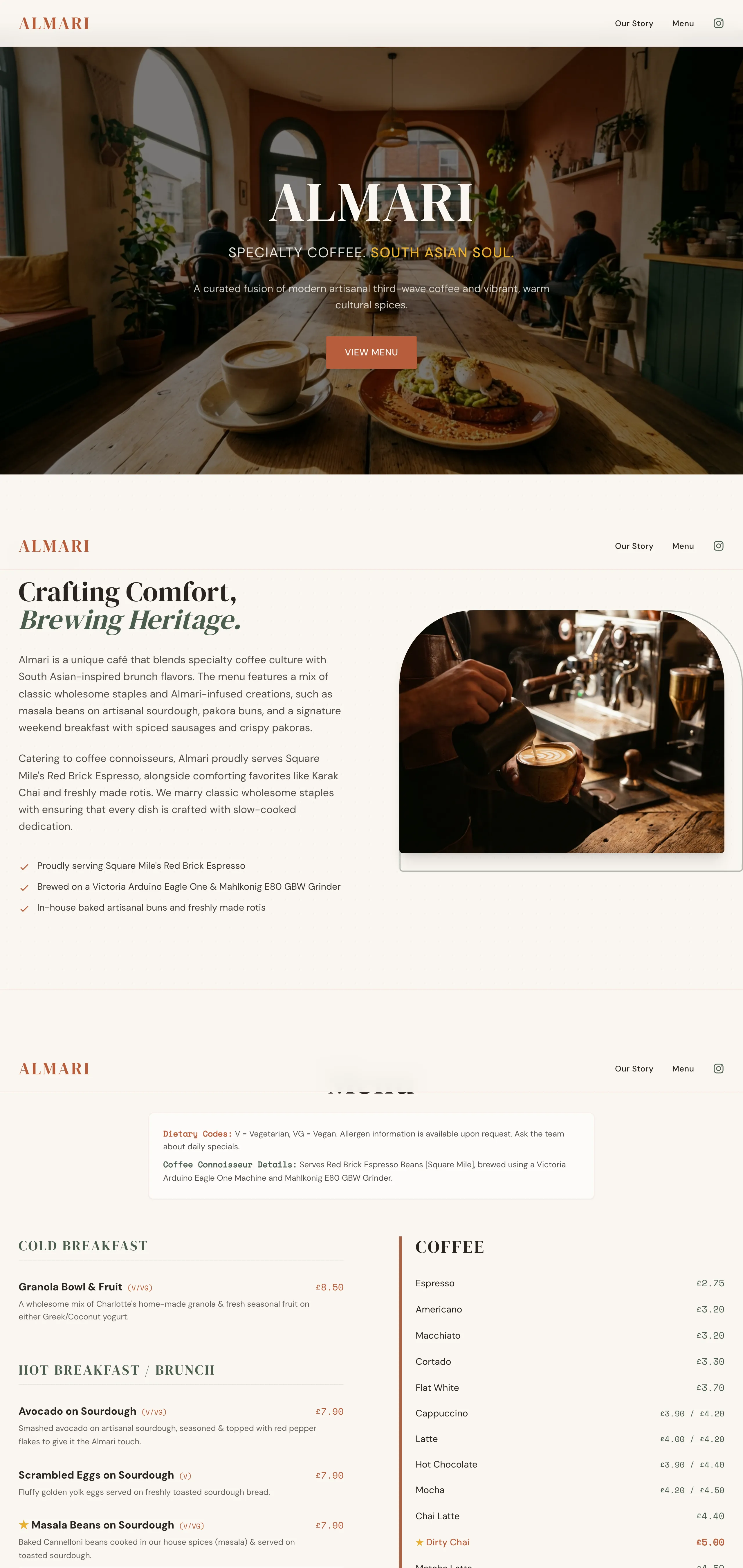
Try It FreeA real restaurant website built with Dinehere
Built from a few menu photos — this is a live site. Take a look.
Tips for Mediterranean Restaurant Owners
Highlight the 'Healthy' Aspect
Mediterranean food is world-renowned for health benefits. Use your 'About' section to mention your use of extra virgin olive oil, fresh produce, and heart-healthy ingredients to attract wellness-focused diners.
Clarify Portion Sizes
Diners often find mezze confusing. Use your menu description to guide them, suggesting '2-3 dishes per person' so they feel confident ordering the right amount of food.
Showcase Origin Authenticity
Don't just say 'Cheese'; say 'Cypriot Halloumi' or 'Greek Feta'. specific geographic names add value and justify your prices by signaling imported, authentic quality.
Use Warm, Sunny Imagery
Your website vibe should match your food. Ensure your main photo evokes warmth and hospitality—think golden hour lighting, full tables, and rustic textures.
Promote the Experience
Mediterranean dining is about the atmosphere. Mention your outdoor seating, music nights, or family-friendly environment prominently to sell the experience, not just the food.
Challenges Mediterranean Restaurants Face Online
Complex Menu Structures
Why it matters: Mezze, tapas, and shared plates can confuse online readers who are used to 'Starter-Main-Dessert' formats, leading to ordering anxiety.
How we help: Dinehere's layout is flexible, allowing you to group items into clear categories like 'To Share' or 'Small Plates', making the dining concept intuitive.
Unfamiliar Dish Names
Why it matters: Customers might be intimidated by names like 'Melitzanosalata' or 'Pastourmadopita' and skip them if they don't know what they are.
How we help: Our menu parser allows for robust descriptions under every item, so you can keep the authentic name but immediately explain the ingredients in English.
Invisibility to Tourists
Why it matters: Mediterranean restaurants often rely on foot traffic in tourist hubs. Without a website, you don't exist on Google Maps searches for 'dinner near me'.
How we help: We provide a mobile-optimized, SEO-friendly site that signals to Google you are a legitimate local business, putting your menu directly in the hands of nearby visitors.
Three Simple Steps
Upload Your Menu
Take photos of your mediterranean menu or upload existing images. Our AI reads any format.
AI Creates Your Site
Watch as our AI designs a beautiful website tailored to mediterranean cuisine aesthetics.
Go Live Instantly
Preview, make edits if needed, and publish. Your restaurant is now online.
One Price, Everything Included
or £290/year — 2 months free
No contracts, no setup fees. Cancel anytime. Just a beautiful website for your mediterranean restaurant.
- AI-powered website generation
- Mobile-responsive design
- Custom subdomain (yourname.dinehere.ai)
- Menu parsing from photos
- SEO optimized
- Hosting included
- SSL certificate included
Common Questions About Mediterranean Restaurant Websites
While the website is static, you can easily list 'Market Price' or 'Catch of the Day' in your menu section and advise customers to call for today's specifics, keeping your online menu accurate without daily edits.
Dinehere allows for descriptive text under every item. You can tell the story of the dish—'The Imam Fainted'—and list ingredients to intrigue customers rather than confuse them.
Yes, you can prominently place your Halal certification badge or statement in the 'About' section or footer to reassure your diners immediately.
Not at all. Our system parses your menu into clear, collapsible sections (e.g., Cold Mezze, Hot Mezze, Grills), making it easy for customers to navigate even extensive lists on their phones.
No. You can upload a few high-quality 'hero' images of a full spread or a mixed grill platter to set the mood. The menu items themselves don't require individual photos to look professional.
Absolutely. You can create a dedicated 'Wine & Raki' or 'Beverages' section to showcase your imported wines, explaining their regions and pairing notes.
Yes. By optimizing for local SEO terms like 'Mediterranean food near me' or 'Authentic Greek in [City]', tourists searching on Google Maps are more likely to find your site and visit.
Yes, adding a 'Banquet' or 'Set Menu' section is a great way to show value for groups and simplify the decision-making process for party organizers.
There is no extra cost. You simply upload a photo or PDF of your current menu during signup, and our technology converts it into a digital format for you.
Best Cities for Mediterranean Restaurants
Related Cuisines You Might Like
Ready to Build Your Mediterranean Restaurant Website?
Join other mediterranean restaurant owners who built their websites with Dinehere.
Build My Mediterranean Restaurant Site