
Build Your Greek Restaurant Website
From traditional tavernas to modern Greek cuisine, our AI creates websites that capture Hellenic warmth.
Greek Restaurant Website Examples

AI-designed for Greek restaurants
Understanding Greek Cuisine
History & Origins
Greek cuisine offers a culinary lineage that stretches back over 4,000 years, making it one of the oldest and most influential food cultures in the world. Historically, it is the foundation of the Mediterranean diet, centred around the 'holy trinity' of wheat, olive oil, and wine. From the ancient symposiums to the Byzantine era's introduction of spices like nutmeg and cinnamon, the cuisine has evolved by absorbing influences while maintaining its core identity. The Ottoman occupation further introduced techniques like thin phyllo pastry and syrup-drenched desserts, which were adapted to suit local palates. Modern Greek cooking is deeply rooted in the concept of seasonality and simplicity, where the quality of the raw ingredients is paramount. It tells the story of a landscape dominated by mountains and sea, necessitating the heavy use of goat and sheep products (feta, halloumi, yogurt) rather than cattle. Today, it balances the rustic traditions of village cooking with contemporary innovations found in Athens and Thessaloniki.
Regional Styles
Greece's geography creates distinct regional styles. The islands, particularly Crete, focus heavily on wild herbs, seafood, and copious amounts of olive oil, with dishes like 'dakos' (rusks with tomato and cheese). In Northern Greece and Macedonia, the cuisine is richer and earthier, utilizing peppers, slow-cooked game, and savoury pies with thicker pastry. The Ionian islands, having been under Venetian rule, display strong Italian influences with pasta-based dishes and garlic-heavy sauces like 'bourdeto'.
Signature Techniques
The distinct flavour of Greek food comes from specific preparation methods. 'Tis oras' refers to meat or fish grilled over charcoal and served immediately with 'ladolemono' (oil and lemon sauce). 'Magirefta' are slow-cooked, oven-baked casserole dishes, often using tomato bases and olive oil, such as 'briam' or 'gemista'. The handling of 'phyllo' dough—paper-thin sheets layered with butter for pies (pitas) and desserts—requires significant skill and patience.
Dining Culture
Greek dining is defined by 'philoxenia' (friendliness to strangers) and the communal table. Meals are rarely solitary; they are social events meant to last hours. The tradition of 'meze' involves ordering multiple small plates for the center of the table to be shared by everyone, accompanied by ouzo, tsipouro, or wine. Bread is essential and never absent from the table, used to scoop up sauces and dips. It is a loud, vibrant, and leisurely experience where food acts as the catalyst for conversation.
Our AI understands Greek cuisine
Nistisima (Fasting) Indicators
Easily highlight vegan-friendly and Lenten dishes, a huge selling point for both traditional observers and modern plant-based diners.
Bilingual Menu Support
Display dish names in Greek script alongside English descriptions to maintain authenticity while ensuring customers understand the ingredients.
Family History Section
A dedicated space to tell your 'Yia-yia's' story and the origins of your recipes, crucial for building the personal connection Greek hospitality is known for.
Daily Specials Visibility
Quickly update your digital menu to show fresh 'Magirefta' (cooked dishes) of the day, which often change based on market availability.
Visual Ingredient Storytelling
Space to showcase the provenance of your ingredients, such as Imported Feta or Kalamata olives, emphasizing quality to potential diners.
AI That Understands Greek Menus
Our AI automatically recognizes and organizes traditional greek menu categories.
Orektika (Appetizers)
Cold and hot starters designed for sharing, including dips and small fried bites.
Ladera (Oily Dishes)
Vegetarian stews cooked in olive oil, such as green beans, okra, or peas in tomato sauce.
Tis Oras (From the Hour)
Meats grilled to order over charcoal, including chops, steaks, and biftekia.
Thalassina (Seafood)
Fresh fish, octopus, calamari, and shellfish, either fried or grilled.
Psomi & Pites (Bread & Pies)
Village bread and various phyllo pies like spanakopita (spinach) or tyropita (cheese).
Upload your menu photos and watch the magic happen
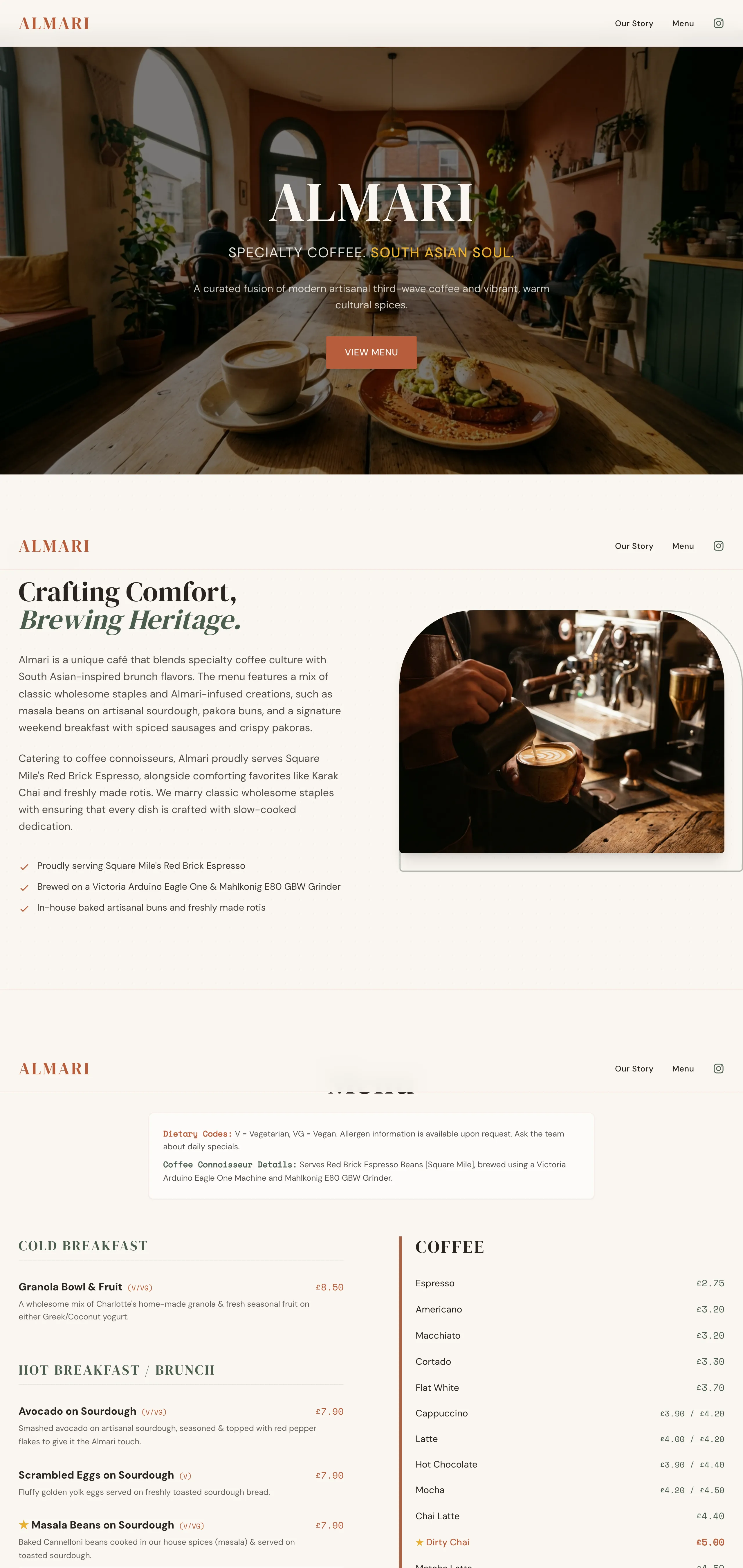
Try It FreeA real restaurant website built with Dinehere
Built from a few menu photos — this is a live site. Take a look.
Tips for Greek Restaurant Owners
Highlight the 'Freshness' Factor
Greek cuisine is famous for fresh ingredients. Use your website text to mention that your fish is fresh, your oil is extra virgin, and your vegetables are locally sourced.
Explain the Meze Concept
Many UK diners are used to a 'starter-main' structure. Use your menu description to encourage the 'meze' style of sharing several small plates for a more authentic experience.
Showcase Vegetarian Options
Greek food has incredible naturally vegetarian dishes (Ladera). Explicitly label these on your digital menu to attract plant-based diners who might think Greek food is only meat.
Tell Your Origin Story
Diners love authenticity. Use the About section to mention which region of Greece your recipes come from (e.g., 'Recipes from our grandmother in Crete').
Keep Hours Accurate for Late Diners
Greeks eat late. If your kitchen stays open until 10 or 11 PM, make sure this is bold and visible on your site, as you will attract customers looking for late-night quality food.
Challenges Greek Restaurants Face Online
The 'Kebab Shop' Misconception
Why it matters: Many people confuse authentic Greek tavernas with late-night fast-food kebab shops, lowering their price expectations.
How we help: A professional website with high-quality structure and an 'About' section establishes you as a sit-down dining venue with culinary heritage, distinguishing you from takeaways.
Unfamiliar Dish Names
Why it matters: Customers might be intimidated by names like 'Melitzanosalata' or 'Kolokythokeftedes' and choose a safer option elsewhere.
How we help: Dinehere allows for clear, descriptive text under every menu item, so you can explain exactly what the dish is, making the exotic feel accessible.
Visual Appeal of Stewed Foods
Why it matters: Traditional clay-pot dishes (Magirefta) taste amazing but can look messy in amateur photos, turning customers off.
How we help: Our clean, text-forward menu design means you don't need a professional photo for every single stew. You can rely on delicious descriptions and just a few hero images of the restaurant vibe.
Three Simple Steps
Upload Your Menu
Take photos of your greek menu or upload existing images. Our AI reads any format.
AI Creates Your Site
Watch as our AI designs a beautiful website tailored to greek cuisine aesthetics.
Go Live Instantly
Preview, make edits if needed, and publish. Your restaurant is now online.
One Price, Everything Included
or £290/year — 2 months free
No contracts, no setup fees. Cancel anytime. Just a beautiful website for your greek restaurant.
- AI-powered website generation
- Mobile-responsive design
- Custom subdomain (yourname.dinehere.ai)
- Menu parsing from photos
- SEO optimized
- Hosting included
- SSL certificate included
Common Questions About Greek Restaurant Websites
Yes, this is highly recommended. You can list the authentic name (e.g., 'Kleftiko') as the header and provide a detailed English description of the ingredients and cooking method below it.
Not at all. You can log in from your phone and update the text on your menu section in seconds, ensuring customers always know what is fresh out of the oven.
Absolutely. Customers looking for authentic 'hylopites' or 'fasolada' search Google first. A simple, professional site validates your business and helps new customers find your location.
Dinehere includes a dedicated 'About' section where you can share your family's history, photos of the founders, and the philosophy behind your kitchen.
Yes, it's designed to be affordable for independent owners. Dinehere is a simple subscription (£29/month, or £290/year with two months free), far less than an agency or designer, with hosting included and no hidden maintenance costs. You can cancel anytime.
Yes, accurate hours are essential for Greek restaurants that often serve dinner later than average. Your hours will be prominent and easy to read on mobile devices.
Definitely. You can add a section describing your events, live bouzouki nights, or plate smashing traditions so customers know what atmosphere to expect.
Yes, you can create a specific menu section or text block outlining your large-group catering options and providing a phone number for inquiries.
Yes, all Dinehere sites are fully mobile-responsive, meaning they load quickly and look great on any smartphone, perfect for tourists walking around the city.
Best Cities for Greek Restaurants
Related Cuisines You Might Like
Ready to Build Your Greek Restaurant Website?
Join other greek restaurant owners who built their websites with Dinehere.
Build My Greek Restaurant Site